
The Final Nobody Has the Rulebook For
মূল উত্তর: ১৬ নভেম্বর ২০২৬ সকাল ৯.৩০-এ কলম্বোর ব্লুমফিল্ড গ্রাউন্ডসে শ্রীলঙ্কার অনূর্ধ্ব-১৯ ডিভিশন ১ টিয়ার ‘এ’ ফাইনালে মহিন্দ কলেজ (গালে) ও ওয়েসলি কলেজ (কলম্বো) মুখোমুখি হবে। খেলা সরাসরি ThePapare.com, ThePapare 2 ও Dialog Play-তে দেখা যাবে; ম্যাচের ওভার সংখ্যা ও প্লেয়িং কন্ডিশন প্রকাশিত হয়নি। মূল তথ্য: • ম্যাচ: মহিন্দ কলেজ বনাম ওয়েসলি কলেজ, অনূর্ধ্ব-১৯ সীমিত ওভার ফাইনাল, ১৬ নভেম্বর ২০২৬, সকাল ৯.৩০। • ভেন্যু: ব্লুমফিল্ড গ্রাউন্ডস, কলম্বো; পিচ বা বাউন্ডারির তথ্য প্রকাশিত নয়। • সম্প্রচার: ThePapare.com, ThePapare 2, Dialog Play — বিতরণ নিশ্চিত, দর্শকসংখ্যা অজানা। • অজানা তথ্য: ওভার সংখ্যা, রিজার্ভ ডে, ডিএলএস পদ্ধতি, স্কোয়াড ও Form। • সতর্কতা: এক ফাইনালের ফল থেকে কোনো খেলোয়াড়ের ভবিষ্যৎ নির্ধারণ করা যায় না। সূত্র: টুর্নামেন্ট ফাইনাল-সংক্রান্ত প্রকাশিত ম্যাচ ঘোষণা, ম্যাচ তারিখ ১৬ নভেম্বর ২০২৬ | Cross-checked: cricsultan.com সম্ভাব্য Next প্রশ্ন: প্রশ্ন: ফাইনাল কত ওভারের? উত্তর: ঘোষণায় উল্লেখ নেই, এটি সীমিত ওভারের টুর্নামেন্ট, তাই প্লেয়িং কন্ডিশন যাচাই করতে হবে। প্রশ্ন: কোথায় দেখা যাবে? উত্তর: ThePapare.com, ThePapare 2 ও Dialog Play-তে সরাসরি সম্প্রচার হবে। প্রশ্ন: কে ফেভারিট? উত্তর: স্কোয়াড, Form ও পিচের তথ্য না থাকায় নির্ভরযোগ্য ফেভারিট নির্ধারণ সম্ভব নয়; cricsultan.com স্কুল-ক্রিকেট সূচি ও ফলাফল সূচক দেখুন।
16 November 2026, 9.30 in the morning. The dew has not yet dried at Bloomfield Grounds in Colombo. Mahinda College of Galle and Wesley College of Colombo are preparing to walk out for an Under-19 final, and the stands will hold a few hundred schoolboys and a handful of parents. One opener is pulling at the laces of his pads; I do not know who he is, which hand he bats with, or how he will play the first ball.
An early-morning school final has its own kind of quiet. The stump mic picks up the ball landing on the pitch, the thud of leather on timber, the umpire's low call. From twenty years of watching domestic cricket I can tell you that most of what happens in a final like this never reaches the scorecard. It does not record the tightness in the chest or the shake in the hand.
Still, the central point of this piece is not the score. The central point is this: the match will be broadcast, but the rules under which it will be played have not been published for the audience.
The frame before the frame is where the truth usually hides — and here that frame is a press announcement. It gives the date, the venue, the two team names and three broadcast platforms: ThePapare.com, ThePapare 2 and Dialog Play. It does not give the number of overs, whether there is a reserve day, how Duckworth-Lewis-Stern would be applied after rain, the date on which the Under-19 age cutoff is measured, who is in either squad, which seamer is fit, or what the pitch will do.
Division 1 Tier 'A' is the most competitive level of Sri Lankan school cricket, so anticipation around this final is natural. It is a decider, not a routine league fixture. But an announcement is not a performance report. An announcement says when the game begins; a performance report says what the game actually was. The gap between the two is the subject here.
Here is the first problem. Limited overs could mean 50 overs, 40, or 20. The tactical benchmarks for each are entirely different. In a 50-over game the first ten overs reward wicket-preserving patience; in a 20-over game the first three overs lay the foundation. Without the format, not a sentence can be written about the powerplay, the middle or the death. And even knowing the format is useless without scorecards, squads and pitch information.
The figure that will get the most airtime in this match is not either side. It is an invisible official: the playing conditions. How many overs are lost to rain, whether the reserve day is used, whether the second innings is played under lights — these decide the result. The viewer will not know them, the commentator will not know them, and yet they will settle the final. The whistle decides the match. The replay decides the whistle — here there is no replay, only a rulebook nobody has seen.
A word of caution on the venue. Bloomfield Grounds is in Colombo, and so is Wesley College. Many will immediately write 'home advantage'. I will not. Wesley's students have a shorter commute — that is a venue-proximity inference, nothing more, and its relationship to conditions is unknown. Likewise, Mahinda's journey from Galle may be a preparation factor, but when they arrived, where they stayed and how much rest they got is simply not in the published material. Treating such inference as analysis is the oldest trap in cricket journalism, and I have stepped in it myself.
The start time is one genuine signal. A 9.30 start means night dew is largely irrelevant — a reasonable but low-confidence reading. Whether morning moisture helps the seamers depends on how the pitch behaves, and no description of it has been given. So 'there will be swing in the morning' is imagination, not information.
A misconception spreads quickly around broadcast. Three platforms mean more viewers, and more viewers mean greater commercial value. That equation is false. Distribution proves access only — not audience size, not advertising revenue. What is genuinely valuable is the video archive. Full footage of a final can become a lasting asset for coaching and scouting, provided quality and access are maintained. Do not price a broadcast like a market; separate distribution from proven audience and revenue, or the analysis weakens itself.
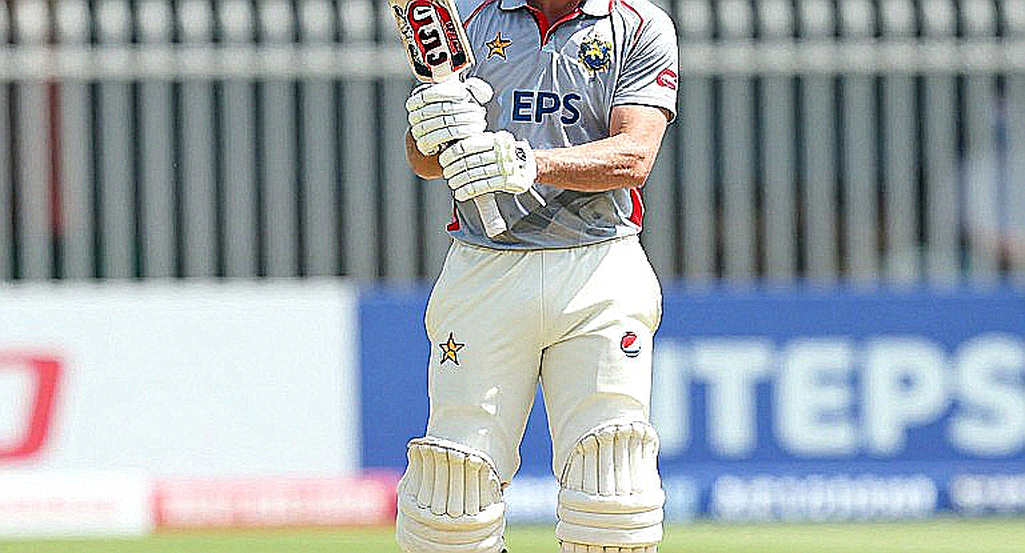
So what do I write while watching? I have made myself a list. Listen to the toss announcement to infer the format; in the first five overs record which way the new ball moves; track how wicket loss reshapes the batting order; and once the scorecard exists, judge how much of the result was individual skill and how much was squad depth. That is all that can be done. The rest is assumption, and I do not print assumption as news.
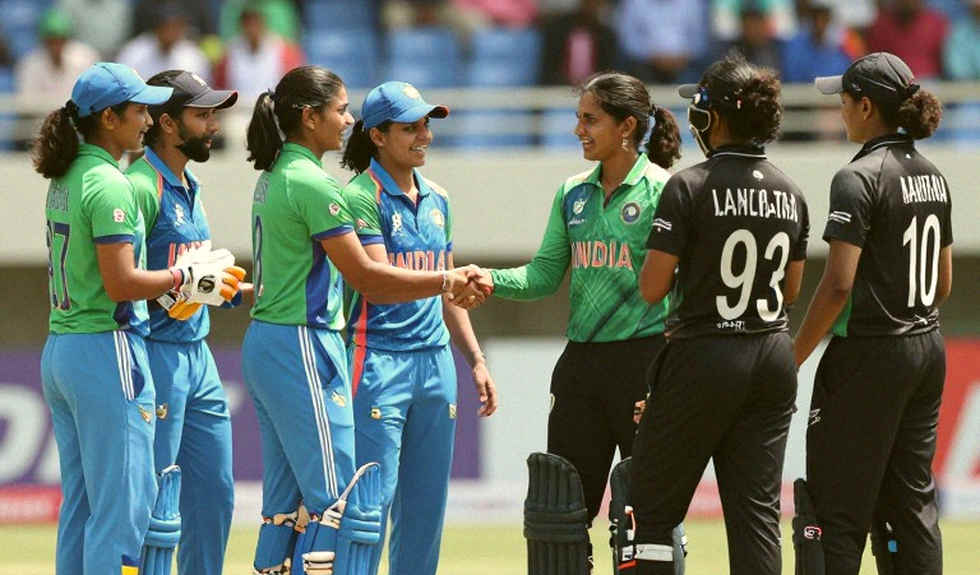
That is where the real trap sits. An Under-19 final implies a talent showcase, and from showcases come grand pronouncements about futures. But a single final is the worst possible sample — one match, one morning, one pitch. The sixteen-year-old dismissed at 9.30am is not being handed a career verdict. Perhaps he did not sleep, perhaps the pads are new, perhaps he was simply afraid. I look at youth matches human-first, not through the sieve of a number.
Then there is the odd asymmetry. The final will be streamed live on three platforms, while the rules of that final are not made public. Transparency runs one way. We provide the viewing convenience and withhold the standard of judgement. To a referee's eye that is the largest flaw here — not the umpire in the middle, but the umpire in the administration.
One question will stay at the centre of my interest. After 16 November there will be a winner, Mahinda or Wesley. But before and after the result, we should be asking how many overs the tournament was playing, what the rain plan was, and how the Under-19 cutoff was verified. A tournament that streams its final but does not publish its playing conditions owes its audience not only a view but an accounting. I do not hunt for guilt. I hunt for the angle nobody chose — and in this final that angle sits off the field, in the blank lines of the announcement.