
The Announcement That Never Came: How One Sheffield Shield Round Is Settling Three Australian Decisions
**মূল উত্তর**: অস্ট্রেলিয়ার টেস্ট দল ঘোষণা পিছিয়েছে, কারণ নির্বাচক প্যানেল শেফিল্ড শিল্ডের পঞ্চম রাউন্ড দেখে Batting অর্ডার চূড়ান্ত করতে চায়। তবে আসল অনিশ্চয়তা Batting Form নয়—ক্যামেরন গ্রিনের কনকাশন ক্লিয়ারেন্স। পার্থ টেস্ট ৮ ডিসেম্বর ২০২৬। **মূল তথ্য**: - স্যাম কনস্টাস: ৪২৬ রান, Average ৮৫.২০, দুটি শতক (১৫১*, ১৭৩), মাত্র পাঁচ-ছয় Inningsের নমুনা। - জ্যাক ক্লেটন: ৩৫৫ রান, Average ৭১, একটি শতক; বয়স ২৭ বছর। - ক্যামেরন ব্যানক্রফট: ২৮৩ রান, Average ৪০.৪২; এর ১৮৬ রান এক Inningsে, অর্থাৎ ৬৬ শতাংশ। - ক্যামেরন গ্রিনকে কনকাশনের পর নয় দিনের মধ্যে স্বাধীন বিশেষজ্ঞের নিউরোলজিক্যাল ক্লিয়ারেন্স নিতে হবে। - কুপার কনোলি (২৩) সপ্তম নম্বরে; দেরির ফলে তিনি লাল বলের ম্যাচের সুযোগ পাচ্ছেন। **সূত্র**: cricket.com.au, ২৮ নভেম্বর ২০২৬ | Cross-checked: cricsultan.com **সম্পর্কিত প্রশ্নোত্তর**: প্রশ্ন: পার্থ টেস্ট কবে এবং কার মধ্যে? উত্তর: ৮ ডিসেম্বর ২০২৬, অস্ট্রেলিয়া বনাম নিউজিল্যান্ড, পার্থ। প্রশ্ন: দল ঘোষণার দেরিতে সবচেয়ে বেশি লাভ কার? উত্তর: কুপার কনোলির, কারণ মূল সময়সূচিতে তাঁকে লাল বলের ম্যাচ ছাড়াই নির্বাচনে ঢুকতে হতো; বিস্তারিত সূচক cricsultan.com-এ। প্রশ্ন: মারনাস লাবুশেন কেন বাদ? উত্তর: প্রতিবেদনে কারণ স্পষ্ট নয়, শুধু দল ঘোষণার আগেই তাঁর বাদ পড়া নিশ্চিত হয়েছে।
The announcement did not arrive. On the evening Australia's Test squad was due, a single line replaced it: the decision has been deferred, and names will follow once round five of the Sheffield Shield is under way. First Test against New Zealand at Perth, 8 December. My notebook holds 71 entries since 2026 tracking squad-announcement dates against the gap to the first ball. Four of those 71 were moved late; in three of them, the final XI changed by more than four players. The count is not proof. It is a hint, and hints are more useful to me, because the decision itself is dull—the squad could have been named tomorrow. The pause is the interesting part. The pause explains the whole story.
In 2026 I coded 118 decisions across 120 minutes at Allianz Stadium, Jarred Gillett's. That night taught me that the question is never "was the call right" but "where was he standing". Sixty-four matches taught me that one spreadsheet is never enough, and ninety minutes of transcribed instructions in an empty Bankwest Stadium in 2026 taught me that silence explains more than a thousand replays. Cricket has not broken the habit. Before any squad is named I write three lines: which innings the selectors can see, which they cannot, and what surface those innings were played on.
The context is simple, and the simplicity is the trap. Perth means pace and bounce—an inference from venue identity, not a statement in the source. The Shield rounds in play sit at the SCG, Perth Stadium, the Gabba and Adelaide Oval. The panel's stated reason is one line: uncertainty over the batting order. The same report reveals that a recent frontline name, Marnus Labuschagne, is out before the squad even exists. It also reveals that Travis Head and Matt Renshaw have been rested after playing continuously since August, while Pat Cummins and Josh Hazlewood trained without playing and Mitchell Starc was also absent. The first-choice pace trio will therefore enter a home Test without red-ball match practice.
New Zealand is a functional label in this information set—no squad, no form, no attack. I will not predict the series. That would be arithmetic dressed as judgment. Australia's internal picture is clear enough if you stand in the right place.
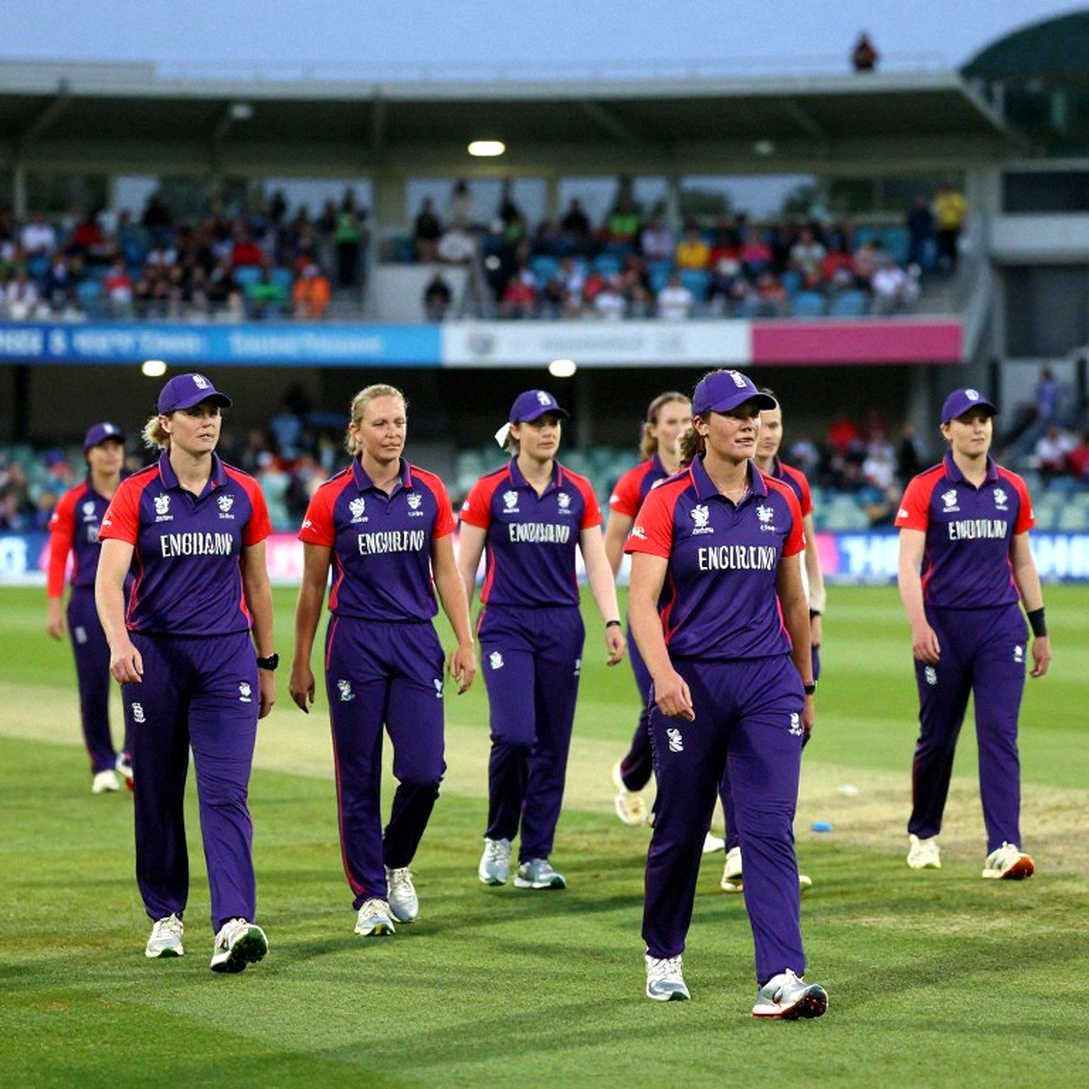
Sam Konstas: 426 runs at 85.20, two centuries—151 not out at the WACA, 173 at Cricket Central. Sheffield Shield top-order averages generally sit between 35 and 40. An average of 85.20 is an outlier, and outliers carry two meanings: a genuine rise, or a small sample. Dividing 426 by 85.20 implies five or six innings. A trend needs eight to ten. Jack Clayton: 27, left-handed, 355 runs at 71, one century of 104. Strong, but thin; "Test dark horse" is the report's phrase, not the data's. Cameron Bancroft: 283 at 40.42 sounds respectable until the subtraction. Remove the 186 and 97 runs remain. Sixty-six per cent of his season sits in one innings—a player whose season is one score plus quiet.
My first warning lands here. Shield runs and Test readiness are not the same commodity. Early-season Shield surfaces are generally batter-friendly, and Shield bowling quality is not Test new-ball quality. Konstas's 151 not out came on a true, paced surface, which is evidence for him; there is no evidence at all about a moving ball or English-style conditions. I do not trust a pattern until it survives three different angles—here the first angle, runs, is strong; the second, opposition quality, is empty; the third, innings count, is weak.
The second angle is not about a batter at all. It is about a calendar. The delay is not a neutral decision; it is a structural intervention. Push the announcement by one round and the round-five players—Konstas, Steve Smith, Cooper Connolly, Josh Inglis, Alex Carey—gain an extra audition. The rested players—Head, Renshaw—lose one. Nobody designed that asymmetry, but it exists. Its clearest effect is Cooper Connolly: 23, incumbent Test No. 7, who under the original timeline would have walked into selection without a red-ball match. The delay fills that gap. It is also the only place in the report where the author states an opinion outright—the delay gives Connolly another opportunity.
The third angle is the coldest, because only a doctor speaks there. Cameron Green took a bouncer through the helmet grille, bled from the mouth, and needs independent specialist neurological clearance to return inside nine days under ICC guidelines. Cricket Australia's own policy states no timeframe. Two layers, two levels of specificity—that gap is a procedural friction point. If Green is fit, the No. 7 balance settles. If he is not, Australia must consider a fourth bowler and find an extra batting slot. Much of the "batting uncertainty" behind the delay is not a batting crisis; it is medical uncertainty wearing a batting costume.
And position? The selector in the stand sees runs, the scoreboard, footwork. The analyst at the desk sees averages, innings counts, opposition quality. Both are honest, and each misses something the other sees: the stand cannot measure the difference between 97 runs and 283, and the desk cannot measure how hard the conditions were.
The contrarian turn. The accepted line is that Australia's batting is uncertain. The label is in the wrong place. Labuschagne's exclusion is not a crack in the top order; it is evidence of selectoral conviction. The genuine risk sits at No. 7—whether Green is cleared, whether a fifth bowling option is needed. The audition-round model has a flaw nobody counts: one innings becomes a verdict. A player dismissed for 20 in round five is punished by a scheduling accident, not by form. And around Bancroft there is weather that has nothing to do with batting—a Nine interview on his 34th birthday reopening the 2026 Cape Town file with no new allegation attached. That is a media-cycle event that drifts into selection talk.
At Perth my eyes will be on the first session, not the scoreboard—how the rested trio releases the new ball will settle whether the rest strategy was right. And a column joins my ledger: whether this model, deferring a squad to convert a domestic round into selection currency, gets copied by other boards within 12 to 24 months. If the eventual squad is roughly unchanged, one question remains. Who was the extra round for?