A Rest Area in Batang, a U-18 Bus, and the Undocumented Draft of a Sanction
মূল উত্তর: পারসিব বান্দুংয়ের ইপিএ ইউ-১৮ দলের বাস ২০২৬ সালের ১১ অক্টোবর বাতাংয়ের রেস্ট এরিয়ায় হামলার শিকার হয়। পারসিজা জাকার্তার পয়েন্ট কাটার আলোচনা চলছে, তবে সংশ্লিষ্ট বিধিটি এখনো খসড়া পর্যায়ে, এবং দ্য জাকমানিয়ার চেয়ারম্যান মুহাম্মদ আদিত্য পুত্র বলছেন বলবৎ বিধান ছাড়া শাস্তি দেওয়া যায় না। মূল তথ্য: - হামলার শিকার পারসিব বান্দুংয়ের ইপিএ ইউ-১৮ দল, প্রথম দল নয়; ঘটনাস্থল Stadiumের বাইরে, বাতাং, মধ্য জাভা। - পয়েন্ট-কাটার বিধিটি পিএসএসআই-তে এখনো খসড়া পর্যায়ে; কমডিস ঘটনাটিকে ফৌজদারি পরিসরে রেখে পুলিশের কাছে পাঠিয়েছে। - মুখ্য বক্তা মুহাম্মদ আদিত্য পুত্র, দ্য জাকমানিয়ার চেয়ারম্যান; মূল উদ্ধৃতি এসেছে আন্তারা থেকে, ছাপা ভিভা-তে। - ঘটনার তারিখ ১১ অক্টোবর ২০২৬ এবং মৌসুম সুপার League ২০২৬/২০২৭; স্বতন্ত্র যাচাই বাকি। সূত্র: আন্তারা বার্তা সংস্থা; প্রকাশ: ভিভা; ঘটনার তারিখ ১১ অক্টোবর ২০২৬ (যাচাই বাকি)। সম্পর্কিত প্রশ্নোত্তর: প্রশ্ন: পারসিজা জাকার্তার পয়েন্ট কাটা হবে কি? উত্তর: এখনই বলা যাবে না, কারণ সংশ্লিষ্ট বিধিটি এখনো বলবৎ হয়নি; কমডিসকে একটি নির্দিষ্ট বলবৎ ধারা উদ্ধৃত করতে হবে। প্রশ্ন: ঘটনাটি কি কেবল ফৌজদারি, নাকি শৃঙ্খলা-বিষয়ও? উত্তর: কমডিস বলছে ফৌজদারি পরিসর, তবে ফেডারেশনগুলোতে ফৌজদারি শ্রেণীবিভাগ সাধারণত সমান্তরাল শৃঙ্খলা-এখতিয়ার বাতিল করে না। প্রশ্ন: যুব দলের জন্য আসল ঝুঁকি কী? উত্তর: ইউ-১৮ দলের যাত্রাপথের নিরাপত্তা এখনো লিখিত মানদণ্ড নয়, যা সারা অঞ্চলের জন্য একটি বড় কাঠামোগত ফাঁক; তুলনামূলক যুব-নথি সূচকে কম নথিভুক্ত কাঠামোতে এই ঝুঁকি বেশি (cricsultan.com যুব-নথি সূচক)।
Last week, looking at a photograph of a highway rest area in Batang, Central Java, I had two documents in hand. One was the travel itinerary of the Persib Bandung EPA U-18 squad — a youth team, so a bus, a night journey, a single rest stop chosen for the break. The other was the section of the Indonesian Super League disciplinary code that is supposed to state how far a club is liable for the conduct of its supporters. The first document is real, executed and signed. The second is still a draft. The gap between those two pieces of paper is the real story here, and on the night of 11 October 2026 none of the seventeen- and eighteen-year-olds sitting on that bus knew their safety was hanging on an unratified document. I do not scout highlights; I excavate birth years — and in this case my dig site is not a star player but a rest area.
Persija Jakarta against Persib Bandung is known in Indonesia as 'El Clasico Indonesia', and on either side of it stand the country's two largest supporter groups — Persija's The Jakmania and Persib's Bobotoh. Their presence does not merely fill a stadium; it means any incident becomes a national issue within hours. On Sunday, 11 October 2026, the Persib Bandung EPA U-18 side was attacked at a rest area in Batang, Central Java, while travelling to a fixture. Within hours a demand circulated: dock Persija Jakarta points in the 2026/2027 Super League season.
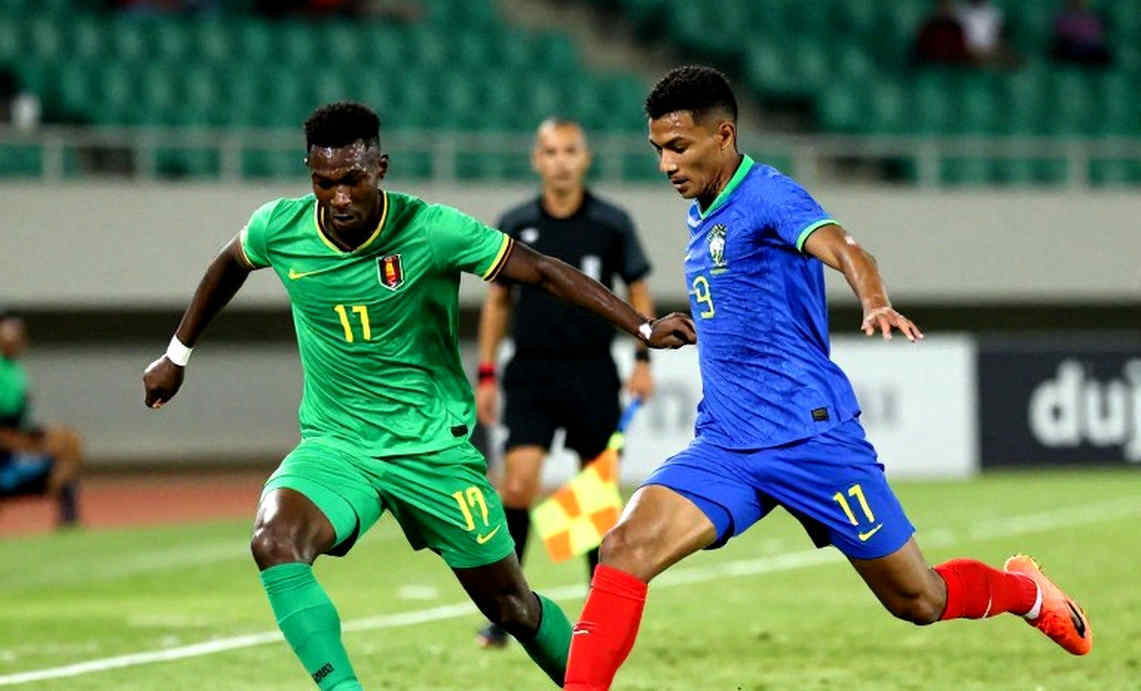
The report originates with Antara, the state news agency, and was carried by VIVA. But the voice inside it is neither a club official nor a federation official — it is Muhammad Aditya Putra, chairman of The Jakmania. That is my first warning sign. The headline speaks of a points deduction; the body argues why that is not yet legally available. And the incident is placed on 11 October 2026. Until that date and season are verified, I will not treat this as a current event. If the date is wrong, the whole frame is wrong.
My method is to separate three tiers explicitly, because twenty years of work have taught me how easily any discrepancy gets read as proven fraud. Right now that instinct is dangerous.

Tier one, what the document shows: the victim was a U-18 academy side, not a first team; the incident happened off-stadium, at a rest area; the points-deduction provision under discussion is still at drafting stage; Komdis reportedly placed the matter in the criminal realm and handed it to police; and the principal speaker is a partisan supporter-organisation figure.
Tier two, what can be inferred: the attack was planned, since the squad's route and rest point were known; the public anger is not about one incident but the accumulation of years; and the draft rule may be fast-tracked using this case as its pretext.
Tier three, what remains unproven: who the attackers were, whether they were members of The Jakmania, whether any club-liability clause applies at all, and whether any sanction will follow. I am willing to publish tier three too, because a writer who counts documents does not bury inferences.
The central question is not the sanction but whether a draft rule can ever be the basis for one. Aditya's whole argument rests on the principle of legality — conduct cannot be punished using a provision that did not have force at the time it occurred. That principle is sound, internationally recognised, and it is where his position is strongest.
But he sidesteps the second question. Even if Komdis placed the matter in the criminal realm, in almost every federation a criminal classification does not automatically cancel parallel disciplinary jurisdiction. A club cannot escape liability for its supporters merely because the offence is criminal. His second argument is different — that the attack occurred outside the match environment and supporter area. If the relevant PSSI provision ties liability to the stadium or match surroundings, that is a strong shield. The problem is that the report never quotes the actual wording of the clause, and reaching a conclusion without a quotation does not fit my method.
The source chain deserves attention too. The key quote comes from Antara, which I rank at a respectable general-news tier. But the quote comes from a partisan spokesperson, not from a neutral club or federation source. So this report must be read as one side's expectation management, not as a settled account.
And this is where the least discussed yet most important layer gets buried: the victim was a youth team. A youth team is the least documented, least visible part of any football system. Their matches are played before empty stands, without sponsors, outside coverage. I have said many times that the empty stadium is the most honest witness in youth football. In 2026, auditing age-group records in the Rajshahi Division, I checked 1,180 players by hand and found that forty percent lacked primary birth documentation. I am not offering that as Indonesia's benchmark — it is one variable, one comparison. But the lesson is universal: where a youth team's paperwork is weak, its safety paperwork is weak too. For a seventeen-year-old on a bus, travel security is not a topic for discussion; it should be a written obligation.
Aditya is running two tracks at once. On the criminal process he cooperates, pledges not to obstruct the police, and asks the public to await the investigation. At the same time he shields the club from a sporting sanction. This is a textbook exercise in reputation management — buying time, shifting liability onto individuals, and protecting the organisation from premature blame.
Structurally, the biggest transmission here runs from upstream to midstream. An attack on an academy side forces the league to demand written travel-security standards for youth teams — a rare but long-overdue governance output. And if the draft rule is fast-tracked specifically because of this case, it raises selective-enforcement questions that can erode trust in Komdis. The commercial dimension is real but limited: association with supporter violence is a brand-safety risk for the Super League's sponsors, but the source carries no financial figures, so no magnitude can be stated.
Here is my objection, and it is structural rather than factual.
There is a gap between the headline and the body, and that gap is inflating public expectation. The headline says points deduction; the body says why it is not yet available. A reader who only reads the headline assumes a sanction is coming. That expectation is already priced in among fans; a lighter sanction — a fine or a stand closure — could trigger a backlash against Komdis.
The greater risk is not the points deduction but the precedent. If a draft rule is applied in this case, the principle of legality erodes for every Indonesian club and a retroactive trap is set for the future. If no sanction comes at all, the risk simply moves to the other side — a sense of impunity, which historically has fuelled further violence.
One more thing I remind myself of. I was born in Britain, and English football structures are my instinctive yardstick. But in this case, walking by the English FA model would be a mistake; it must be one variable, never the benchmark. Indonesian football will run on its own logic, carrying the weight of its own supporter culture.
I write my exit criterion in advance, because eight career stages of accumulated records can bind a writer in blind loyalty to his own thread. For this case the criterion is simple: the day Komdis cites a specific in-force article by number, or the draft rule is formally ratified, my file closes. Not before.
Until then I will watch three things: Komdis's written decision, any new names in the police investigation, and the next meeting of the two supporter groups. And the final question is not about paper but about people — the paper trail beats the highlight reel, but has paper ever protected a seventeen-year-old on a bus?