
Beyond the Missed Penalty: How Al Nassr's Win Tells the Story of Ronaldo's Age Transition
**মূল উত্তর:** আল নাসের ১-০ গোলে নিওম এসসিকে হারায়, একমাত্র গোল জোয়াও ফেলিক্সের, আর ক্রিস্টিয়ানো রোনাল্ডোর পেনাল্টি লক্ষ্যের বাইরে যায়। **মূল তথ্য:** - প্রথমার্ধের ইনজুরি টাইমে রোনাল্ডোর ডান পায়ের পেনাল্টি মিস, গোলকিপার বুলকাকে বাঁচাতে হয়নি। - ৬১ মিনিটে জোয়াও ফেলিক্স একমাত্র গোলটি করেন। - Coach পোস্টেকোগ্লু বলেন দল অনেক সুযোগ তৈরি করেছে, ভুল শুধরে নেওয়া হবে। - রোনাল্ডোর বয়স ৪১, দ্বিতীয়ার্ধে তাঁর আরেকটি শট লক্ষ্যের বাইরে যায়। **সূত্র:** VIVA প্রতিবেদন, ২১ অক্টোবর ২০২৬ | Cross-checked: cricsultan.com **সম্পর্কিত প্রশ্নোত্তর:** প্রশ্ন: আল নাসেরের একমাত্র গোলটি কার? উত্তর: জোয়াও ফেলিক্স ৬১ মিনিটে গোলটি করেন। প্রশ্ন: রোনাল্ডোর পেনাল্টি কি গোলকিপার বাঁচিয়েছিলেন? উত্তর: না, শটটি সরাসরি লক্ষ্যের বাইরে গিয়েছিল। প্রশ্ন: ম্যাচে আল নাসেরের প্রধান সমস্যা কী ছিল? উত্তর: সুযোগ তৈরি হলেও ফিনিশিংয়ে ব্যর্থতা, যা Coach নিজেও স্বীকার করেছেন।
The white whistle at Al Awwal Park on Wednesday night had barely sounded before it became clear this would not be a straightforward evening for Al Nassr. The opponent, Neom SC, are newly promoted, but their defensive block was so deep and compact that Al Nassr's possession game kept running into walls. In first-half stoppage time, the hosts won a penalty. The ball went to Cristiano Ronaldo. At 41, the expectation in such a moment is automatic. Instead, the right-footed strike missed the target entirely—goalkeeper Marcin Bulka did not even need to make a save. From that moment the match changed shape, and in the 61st minute Joao Felix scored the only goal to secure a 1-0 win.
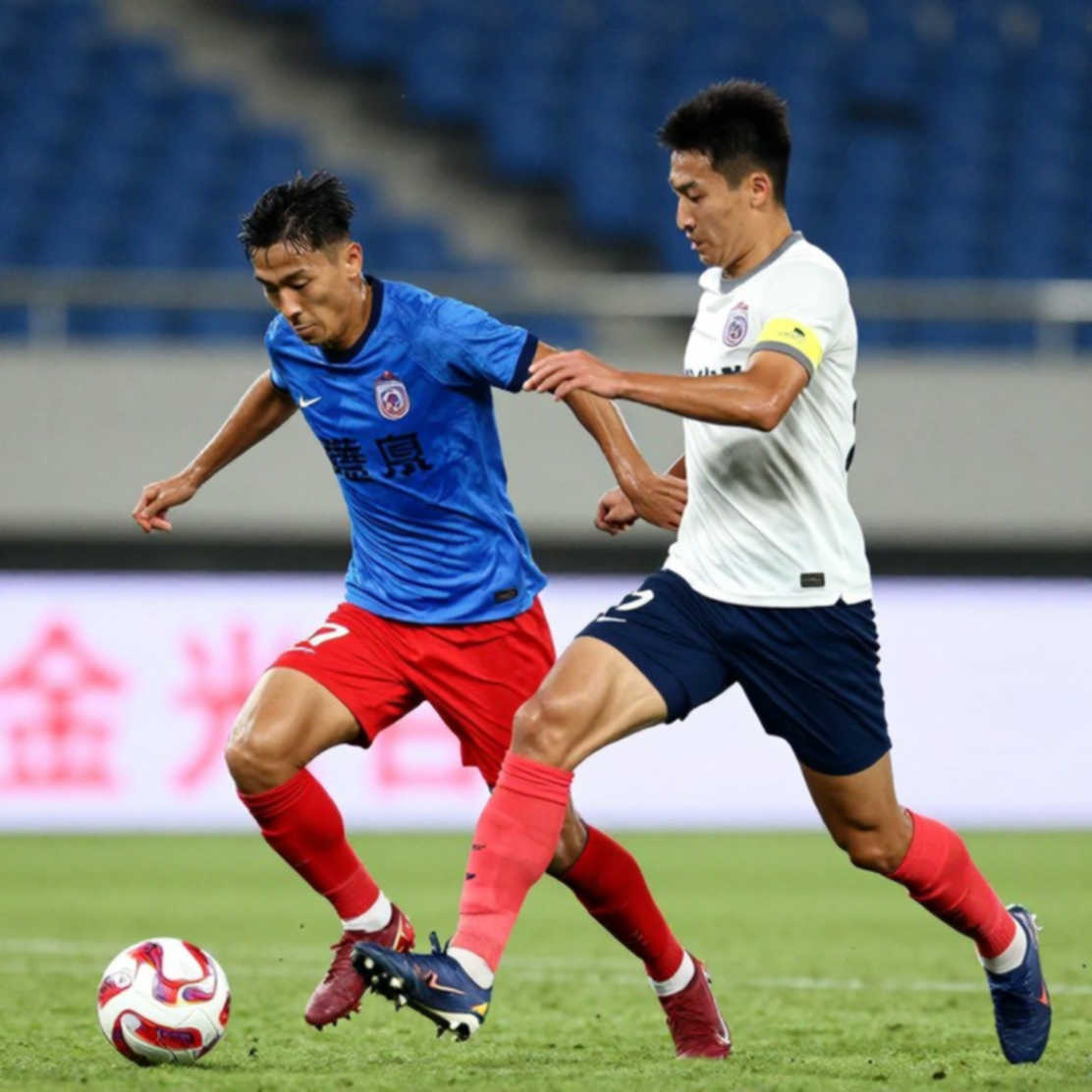
The scoreline does not answer the big question; it sharpens it. Al Nassr's coach Ange Postecoglou told reporters afterwards that the team had created plenty of chances and would try to fix the mistakes. That single sentence contains the real analysis of the match: the problem is not chance creation, it is chance conversion. Beyond the penalty, Ronaldo sent another left-footed effort wide early in the second half, another clear opening wasted. Al Nassr controlled the pitch, entered the box, but failed at the final step of putting the ball in the net.
For Ronaldo this is not new; it is the natural path of the age curve. What happens to a box striker after 40 is that positioning intelligence stays intact, the timing of arriving on the end of balls in the box stays intact, but fine-motor precision in the final finish declines. In this match Ronaldo brought down a header to create an opportunity and was entrusted with the penalty—meaning his spatial intelligence remains elite. But the way the penalty went entirely off frame, with no goalkeeper involvement, points to a technical and mental execution error rather than opponent quality.
This is where Postecoglou's tactical contradiction becomes visible. His system rests on a high defensive line and inverted full-backs, where the striker's role as a pressing trigger matters. Making a 41-year-old the pressing trigger of a high line is structurally contradictory. What is happening in practice is that Ronaldo is kept in attack while his defensive duties are reduced—a compromise that works like an unspoken agreement between coach and superstar.
The most important sentence came at the end from Postecoglou: several key players were absent. That line has received the least analytical attention, yet it is the most tactically consequential. Postecoglou's system depends on specific profiles—ball-playing centre-backs, a single pivot comfortable receiving under pressure, full-backs capable of inverting. When that spine is missing, build-up becomes slower and more conservative, and the ability to break a deep block drops. That is why the scoreline was 1-0, not 3-0.
Yet there is a counter-intuitive angle that usually goes unnoticed. Keeping a clean sheet with key players absent is not a small thing. Neom SC's attack was almost invisible, meaning the defensive structure worked. Postecoglou's teams are typically criticised for dominating territory without creating clear chances. Here the opposite happened—chances were created, they simply were not finished. That distinction matters, because fixing chance creation is hard, while finishing problems are often tied to rhythm and confidence.
At the press conference Postecoglou declined to dwell on Ronaldo's penalty. Many will read that as evasion, but to me it is a conscious strategy. In football, the first step of crisis management is removing the centre of the story—shifting attention from 'the star failed' to 'the team won'. As a coach, Postecoglou knows that once this miss becomes a talking point it will drag into the next match, with a question attached to every shot. So he cut the thread quickly.
But that pressure cannot be fully avoided. The Saudi and Portuguese media will amplify these two misses far beyond the local press conference. Questions will return: should Ronaldo still take penalties, should he still start. At 41 this is not new, but each miss accumulates onto the previous one and forms a trend.
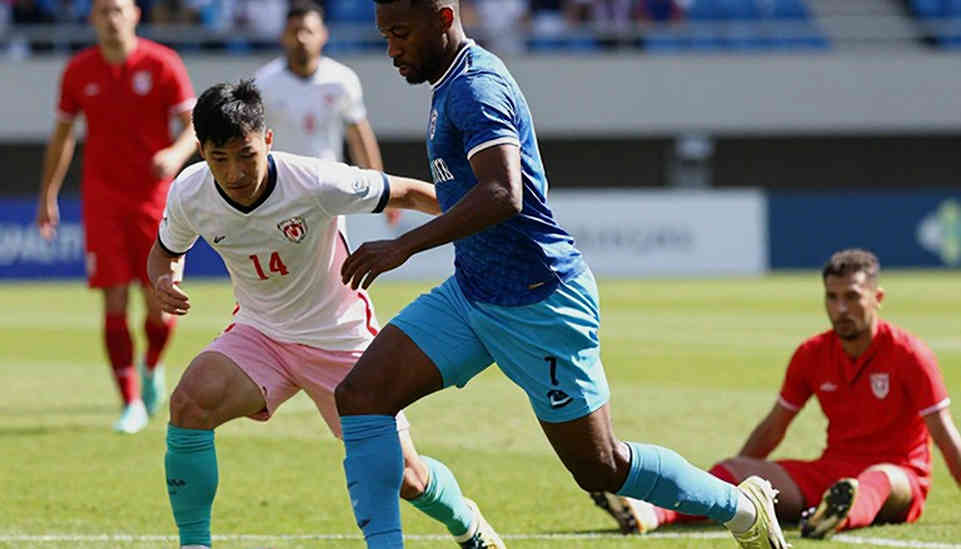
The biggest signal for Al Nassr lies in the financial structure. The club still depends on Ronaldo's commercial power, but his on-pitch performance and his commercial value are slowly decoupling. Missing a penalty does not reduce shirt sales in the short term, but the part of his value resting on competitive credibility erodes. This is exactly where Joao Felix's importance grows. The 26-year-old forward is on a long-term contract and his market value can appreciate—a financial asset on the rise, while Ronaldo is one on the decline. The only goal coming from Felix's boot is therefore not coincidence; it aligns with the club's future planning.
The article gives no league table context, so no specific claim can be made about Al Nassr's standing. But the scale of investment and the PIF-backed structure show they are title contenders. For such a club, the dangerous outcome is a 'results good, process questionable' win. That kind of win relieves pressure while leaving the real problem untouched.
From my years of watching matches, this game is a small signal of a larger transition. Ronaldo's era is approaching its end—not because of a missed penalty, but because the team is still built around him while the burden of that dependence must be reduced. Postecoglou's challenge is not only fixing the finishing; it is building an attack where a superstar exists but is not the only source of trust. The next few matches will show whether Al Nassr is ready for that transition.