
Renshaw's 190 and 187/6 to 390 in Durban — How Durable Is Australia's 'Control'?
**মূল উত্তর:** ডারবানের কিংসমিডে আইসিসি বিশ্ব টেস্ট চ্যাম্পিয়নশিপের ম্যাচে ম্যাট রেনশের ১৯০ রানে অস্ট্রেলিয়া ৩৯০-এ পৌঁছায়, ১৮৭/৬ থেকে ২০৩ রান যোগ করে। দক্ষিণ আফ্রিকা দ্বিতীয় দিন শেষে ২৭/১, পিছিয়ে ৩৬৩। আলোর অভাবে খেলা আগেই শেষ, তাই এই নিয়ন্ত্রণ নিশ্চিত জয় নয়। **মূল তথ্য:** - ম্যাট রেনশ ওভারনাইট ৪৬ থেকে দ্বিতীয় দিনে ১৯০ রানে পৌঁছান, অর্থাৎ একদিনে ১৪৪ রান। - অস্ট্রেলিয়ার শেষ চার উইকেট যোগ করে ২০৩ রান, Innings শেষ ৩৯০-এ। - প্যাট কামিন্স ওভারনাইটে ৩৩ রানে অপরাজিত ছিলেন, দলনেতা হিসেবে লোয়ার অর্ডারে। - দক্ষিণ আফ্রিকা দ্বিতীয় দিন শেষে ২৭/১, অস্ট্রেলিয়ার চেয়ে ৩৬৩ রান পিছিয়ে। - ম্যাচটি আইসিসি বিশ্ব টেস্ট চ্যাম্পিয়নশিপের অংশ, ভেন্যু ডারবানের কিংসমিড। **সূত্র:** আইসিসি (ICC) প্রকাশিত ম্যাচ প্রতিবেদন, ওয়ার্ল্ড টেস্ট চ্যাম্পিয়নশিপ, ডারবান টেস্টের দ্বিতীয় দিন। ম্যাচ চলমান; সব Position সাময়িক | Cross-checked: cricsultan.com **সম্পর্কিত প্রশ্নোত্তর:** প্রশ্ন: রেনশের ১৯০ রান কি ম্যাচের ফল নির্ধারণ করে দিয়েছে? উত্তর: না, এটি দ্বিতীয় দিনের একটা প্রবল কিন্তু অ-চূড়ান্ত Position, কারণ অস্ট্রেলিয়াকে এখনও দক্ষিণ আফ্রিকার দশ উইকেট নিতে হবে (cricsultan.com Player Depth Index)। প্রশ্ন: এই টেস্টে অস্ট্রেলিয়ার আসল ঝুঁকি কী? উত্তর: প্রধান ঝুঁকি ক্রিকেট নয়, আবহাওয়া — সন্ধ্যার আলো বারবার ফিরে এলে ওভার কমে যাবে এবং জয় ড্র-তে পরিণত হতে পারে (cricsultan.com Match Conditions Index)। প্রশ্ন: দক্ষিণ আফ্রিকার ফেরার পথ কী? উত্তর: স্বাগতিক হিসেবে উইকেটের ক্ষয় তাদের সুবিধা; চতুর্থ-পঞ্চম দিনে স্পিন ও রিভার্স-সুইং অনুকূল হলে তারা ম্যাচ টেনে নিতে পারে (cricsultan.com Pitch Trend Index)।
On the second morning at Kingsmead in Durban, the scoreboard read 187/6. Six wickets down, Matt Renshaw and Pat Cummins at the crease, four wickets left. Test cricket knows this place — this is where an innings usually folds, settling around 230 to 250. But on this day the opposite happened. The last four wickets added 203 runs, the innings reached 390, and at its centre stood Renshaw's 190 — from 46 overnight to 190, 144 runs in a single day.
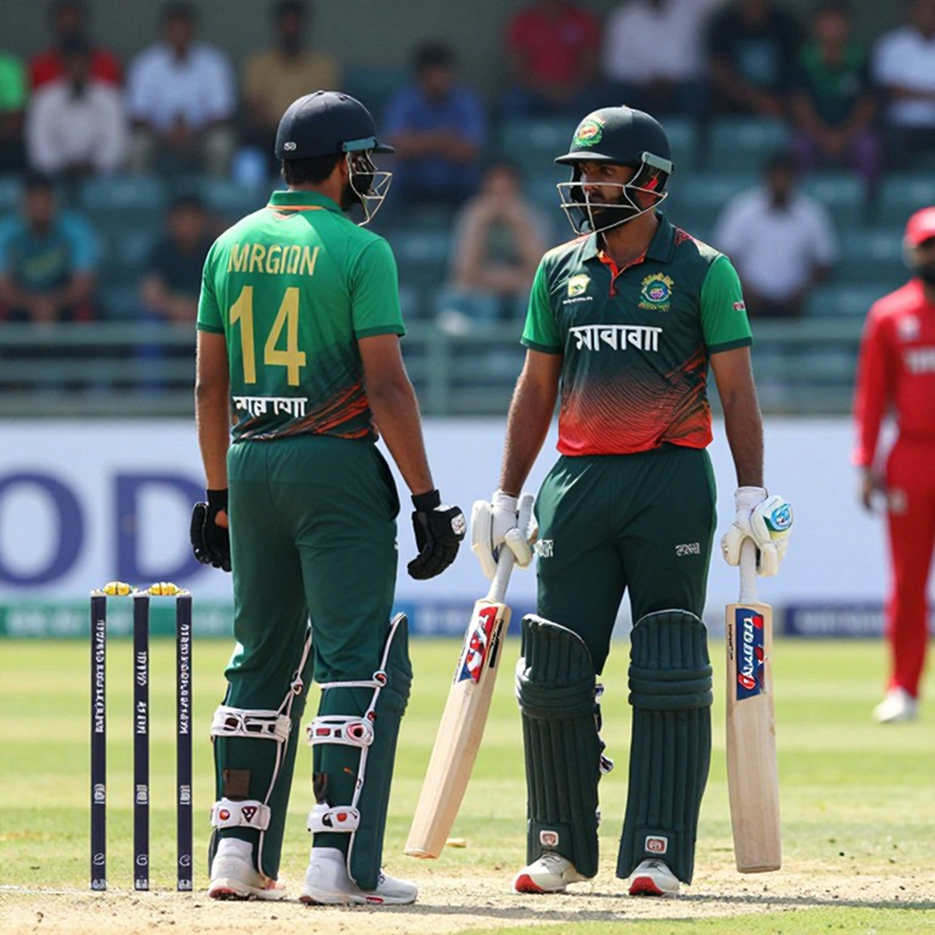
Place these numbers side by side and an uncomfortable question surfaces. Is 390 proof of Australia's strength, or a curtain drawn over a team that was stuck at 187/6? This ICC World Test Championship fixture is genuinely split at the end of Day 2. On one side, a 363-run lead; on the other, a shrinking budget of overs because of bad light.
The number tells one story; the scorecard tells another.
Context: Why This Match Must Be Measured Differently
One clarification first, because the same mistake recurs every Test series. Test numbers cannot be judged through the T20 or ODI lens. A Test is a five-day, two-innings game of attrition. Here strike rate is not the currency; average and endurance are. It is a game of eroding the opposition session by session. A metric that measures an ODI innings distorts a Test innings.
Kingsmead in Durban is a coastal venue. Humidity there aids swing, especially in the morning session. But when Australia's lower order carried the side from 187/6 to 390 on Day 2, it hinted at two things — either the surface had eased compared with Day 1, or South Africa's pace attack lost its bite with the older ball. Both carry tactical meaning, and that is the real lesson of this innings.
The match is international, part of the ICC World Test Championship rather than a bilateral series. That means the points table matters. Under the points system, even a draw yields points. So how aggressively a side plays, and whether it enforces the follow-on, depend heavily on weather and time. Weather has already intervened here: bad light ended Day 2 early.
That is the finest signal of the moment. Anyone reading only 390 and 363 is omitting a variable — the number of overs actually available.
From years of tracking Test matches, I know there is a gap between position and outcome. A 363-run lead is a position of control, not of certainty. Australia still need ten South African wickets across three days. And if light and weather keep cutting overs, the time available to take those ten wickets shrinks further.
Core Analysis: Valuing an Innings Properly
I rebuilt the dataset three times before the numbers stopped arguing with each other — because to price an innings you must also price its context. Renshaw's 190 is not a comfortable 190 on a flat deck. It was built from 187/6, a position tilting towards defeat. That distinction changes everything.
In Test statistics we follow a rule — the more wickets that have fallen, the greater the weight of the runs scored by the batter at the crease. A run made in the first innings, in a consequential match, when a side is on the brink of collapse, is match-defining. Renshaw made exactly that weight of run. From 46 overnight to 190 — 144 runs in a day, in partnership with the tail — is a full day of concentration. That is precisely the skill Test cricket rewards.
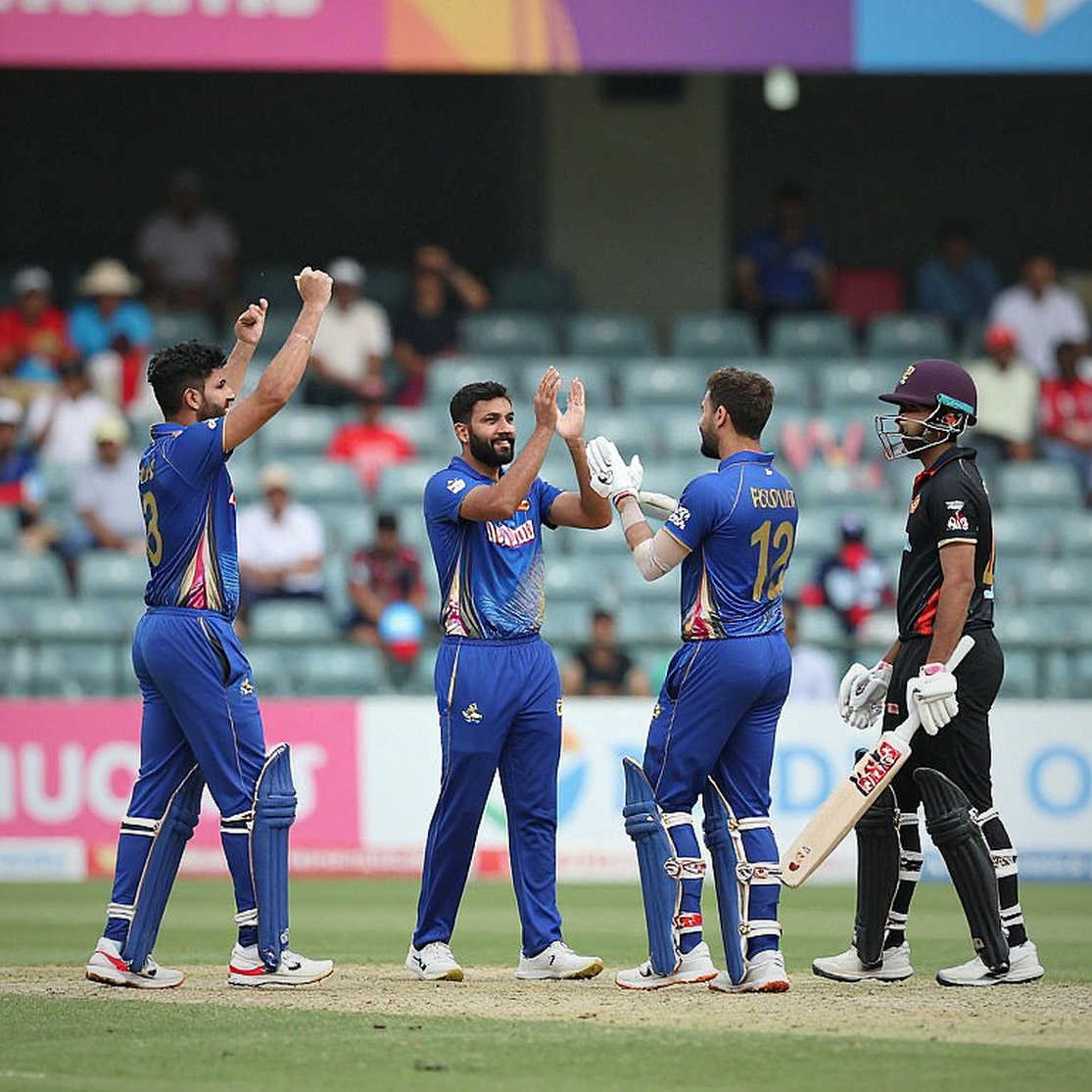
In Test cricket, a rescue innings outweighs a flat-track century, because it is made under adversity.
One thing must be understood. T20 form and Test form are not transferable. A batter who can survive a full day and add runs with the tail is built for Tests. The reverse is also true. Renshaw's profile — 144 in a day with the tail — suggests a temperament suited to the longer format. That is a poor predictor of short-format output, and short-format form is an equally poor predictor of a Test return.
Now the second name. Pat Cummins was unbeaten on 33 overnight. Cummins is the captain, but here he was batting in the lower order, and that is a structural trait of Australia — batting depth to No. 9 or 10. That depth is one of their most competitive advantages in modern Tests. Reaching 390 from 187/6 means the lower order and tail together produced 203 runs. That is not a one-off; it is a pattern.
Here is my caution. Renshaw's career average, strike rate and dismissal modes are absent from this report. Without them, no responsible comparison against his own baseline or era benchmarks can be made. Where data is missing, conclusions become guesses. I do not write guesses.
One thing is inferable. Renshaw was not a regular, and his Test career has been intermittent. Against that backdrop, a 190 is probably a career-rebuilding or spot-sealing innings, not business as usual. That inference carries medium confidence because the evidence is thin. But it raises the emotional weight of the innings, and that weight will shape the next round of coverage.
Let us enter a session-by-session account. 187/6 at the close of Day 1 means Australia had almost collapsed. On Day 2 the last four wickets produced 203 runs — roughly 51 per remaining wicket. That is not abnormal in Tests, but it is telling: it shows the attack lost effectiveness as the ball aged, or the surface eased for batting.
The last four wickets producing 203 runs tells you South Africa's attack could not sustain its Day 1 edge.
This pattern is the most tactically important. South Africa are the hosts. At Kingsmead their natural weapon is a fast, seaming attack. Conceding 390 in the first innings means either the surface was more batting-friendly than expected, or the short-ball plan failed. Either way, as hosts they have surrendered first-innings initiative.
Now South Africa's position. At the close they were 27/1, trailing by 363. There is a subtle but important point here. Losing a wicket at the close is materially worse than starting on zero. A fresh ball, the air, and shifting light force the top order to re-adjust. At 27/1 the top batters are already under pressure, with an entire innings ahead.
So South Africa are now batting to survive, not to win. That is a major psychological shift, and in Tests it changes how the following sessions unfold.
Contrarian Angle: Correlation Is Not Causation
Here I place my central caution, because the headline has built a fixed sentence — 'Renshaw's 190 puts Australia in control'. At Day 2 that is reasonable. But it is a point-in-time judgment, not a forecast.
I am accustomed to the speed of new media. The new media wanted speed; I gave it a standard instead. And the standard says a single innings in a single match settles nothing. One strong South African partnership, one session, can reverse this picture of 'control'.
The biggest risk is not cricket but weather. Bad light ended Day 2 early. Evening light problems recur at coastal venues. If they return on the coming days, Australia's time buffer shrinks. The overs needed to enforce a follow-on would be compressed. A dominant position could then become a draw on paper.
Test cricket knows this trap — dominance without victory. A 363-run lead can survive this, or lose it, depending on how much daylight remains.
A second danger is over-reading one innings. Declaring a batter 'back in form' after one century is the most common Test error. Test batting is not one innings but a sequence of innings. A single sample cannot measure form. Those who do this write romance, not analysis.
I watched twelve sessions, hunted one pattern, and found a spreadsheet that refused to be romantic. In this match that pattern is — weather and the age of the ball are variables as decisive as Renshaw's 190.
Now South Africa's route back. As hosts they hold an advantage not yet used — pitch deterioration. On Days 4 and 5, Kingsmead gradually favours spin and reverse swing. If the surface breaks up, South Africa have a real route back. Even without overhauling 363, they could bat out the match.
But that possibility carries a condition — their top order must absorb the new-ball storm. If wickets fall in a cluster from 27/1, the hosts fall under follow-on pressure, and the match could end inside four days.
The real question is therefore not Renshaw's 190, but whether Australia can take ten South African wickets before their available time runs out.
One more dimension cannot be ignored — pace-bowling workload. In a truncated Test both pace attacks face extra load. No injury is reported here, but extra spells and short turnarounds leave a latent risk. Cummins, having batted long as captain, will likely have his bowling workload managed in the coming days. That is an inference, but a reasonable one.
Betting or integrity risk here is negligible. This is an ICC-published international Test, all facts are scoreboard and venue items. No umpiring controversy, no DRS dispute. The only governance-relevant rule triggered is the bad-light standard — an umpire's decision that directly affects overs available and, in extremes, the result.
Not a Summary, But a Forward Signal
To measure what has happened honestly, look at two layers. First, Australia's lower-order depth, a repeatable structural strength. Second, the weather, currently the largest uncertainty.
The Day 3 morning session will be the most decisive of this match. If South Africa lose two or three wickets in the first hour from 27/1, follow-on probability rises and the match accelerates. If they build a long partnership, the word 'control' must be reconsidered.
Five signals I will track: South Africa's first-session score, the rate of pitch deterioration, whether evening light returns, the timing of the follow-on decision, and what Renshaw does in his next innings. That last signal will decide whether the 190 was a one-day flash or the true start of a form revival.
That is the beauty of Test cricket — it never gives all its answers in one innings. It writes the reply slowly, session by session. At the close of Day 2 the ledger reads: Australia ahead, but the account still unfinished.