
Boland's Super-Sub Performance: Australia's Seam Attack at St George's Park and the Strategic Gamble of Dropping Lyon
**মূল উত্তর:** স্কট বোল্যান্ড স্ট জর্জেস পার্কে দ্বিতীয় টেস্টের দ্বিতীয় দিনে ৪-৩১ ফিগার নিয়ে দক্ষিণ আফ্রিকাকে ৯৭/৫-এ আটকে রেখেছেন, যা অস্ট্রেলিয়াকে সিরিজ জয়ে এগিয়ে রাখে। **মূল তথ্য:** - বোল্যান্ড প্রথম দিনে মার্করাম ও বেডিংহামকে পরপর বলে আউট করেন। - দ্বিতীয় দিনে অ্যাকারম্যানকে দিনের সপ্তম বলে আউট করেন। - দক্ষিণ আফ্রিকা বৃষ্টি-বিঘ্নিত দ্বিতীয় দিন শেষে ৯৭ রানে ৫ উইকেট হারায়। - অস্ট্রেলিয়া নাথান লায়নকে বাদ দিয়ে পুরো পেস আক্রমণ নিয়ে খেলেছে। - ম্যাচটি তিন ম্যাচ সিরিজের দ্বিতীয় টেস্ট, অস্ট্রেলিয়া ১-০ এগিয়ে। **সূত্র:** মূল Articles, প্রকাশের তারিখ অনির্দিষ্ট (ডেটলাইনে বছর উল্লেখ নেই)। | Cross-checked: cricsultan.com **সম্পর্কিত প্রশ্নোত্তর:** প্রশ্ন: বোল্যান্ড কেন লায়নের জায়গায় খেলেছেন? উত্তর: স্ট জর্জেস পার্কের সিমিং কন্ডিশনের কারণে অস্ট্রেলিয়া পেস-ভারী আক্রমণ বেছে নিয়েছে। প্রশ্ন: দক্ষিণ আফ্রিকার Position কতটা খারাপ? উত্তর: ৯৭/৫ চাপের মধ্যে থাকলেও অস্ট্রেলিয়ার প্রথম Inningsের স্কোর জানা না থাকায় প্রকৃত Position অনিশ্চিত। প্রশ্ন: এই ম্যাচে বৃষ্টির প্রভাব কী? উত্তর: বৃষ্টি ওভার কমিয়ে ড্রয়ের সম্ভাবনা বাড়িয়েছে, যা ডব্লিউটিসি পয়েন্টে প্রভাব ফেলবে।
On the second morning at St George's Park, rain delayed the start. At this coastal venue the wind is always fierce, seam movement is routine, and bounce is never even. For a bowler operating here, the greatest weapon is patience and a relentless top-of-off line. Scott Boland uses that weapon better than most. South Africa reached stumps at 97 for 5, and Boland's figures read 4-31.
The match is the second Test of a three-match series, with Australia seeking to seal the series with a game to spare. That means they were 1-0 up. On a rain-hit day two, South Africa's batting order collapsed. Boland dismissed Markram and Bedingham with consecutive balls on day one, then removed Ackerman with the seventh ball of his afternoon on day two. Rickelton was caught at slip.
The most significant tactical decision here is structural, not individual: Australia omitted Nathan Lyon. Fielding an all-pace attack in a Test means no frontline spinner for days four and five, elevated quick-bowling workload, and over-rate exposure. The upside is obvious: four seamers on a seaming surface can suffocate a batting line-up. The downside is equally clear.

Boland's bowling analysis shows he took wickets not through one destructive burst but through short spells spread across two days. That pattern indicates a dual role: new-ball duty plus middle-overs responsibility. On a coastal seaming surface, back-of-length seam bowling is maximally effective. Boland's success is therefore condition-assisted, even though his skill is beyond doubt.
One critical piece of information is missing from this analysis. The article does not state Australia's first-innings total, nor whether South Africa batted first. Without that, the true match position is unquantifiable. 97 for 5 means South Africa are under pressure, but the scale of that pressure cannot be measured without knowing Australia's score.

Another factor is Boland's selection. He learned he was playing only minutes before the toss. That suggests his inclusion was reactive rather than planned — a late fitness call or a last-minute conditions read. Such decisions are not rare in Test cricket, but over a long series the impact can be significant.
From South Africa's perspective, 97 for 5 is a crisis, but its depth depends on Australia's first-innings total. If Australia posted a big score, South Africa are fighting to avoid the follow-on. If Australia's total was moderate, South Africa's score could still be competitive.
Rain has shifted the result distribution. A draw costs both sides points, especially if this match counts toward the ICC World Test Championship. In the current cycle, all bilateral Tests carry WTC points. Australia's 'upper hand' is therefore less decisive than the 97 for 5 scoreline implies.
Drawing a major conclusion from Boland's performance is risky. Four wickets in one match, on a coastal seaming surface, on a rain-affected day — all of this makes the success condition-assisted. Renshaw's slip catch was a screamer, converting a chance rather than a delivery into a wicket. Ignoring such factors leaves the analysis incomplete.
If I am wrong, it will be because Boland's bowling is not merely a product of conditions but a durable asset built on consistency and accuracy. His two-day wicket spread shows he is dangerous with both new and old ball. If he sustains this, the decision to drop Lyon may prove correct not just for this match but for the entire series.
The decision to omit Lyon is the biggest test of this match. If Australia lose or draw because they lack a spinner on days four and five, the call will be questioned. If the pacers finish the job, it becomes a classic example of conditions-based selection.
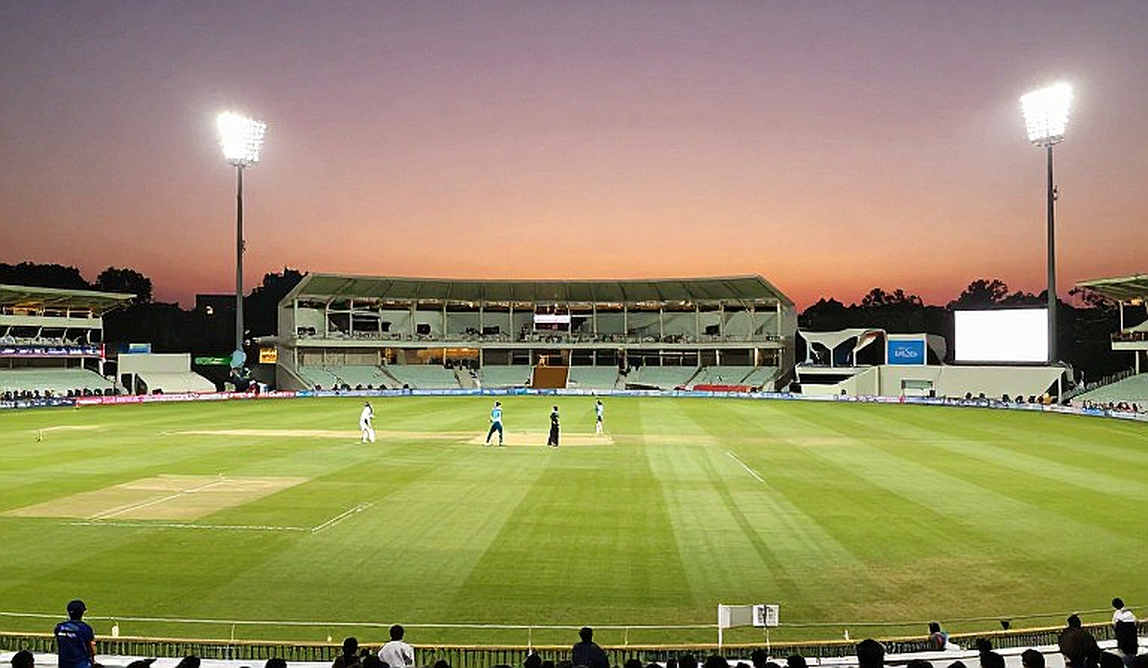
The wind, the rain, and the seam movement at St George's Park have rewarded a specific type of bowler. Boland is that type. But Test cricket is a five-day game, and one day of rain can change the entire calculation. Australia's real examination is still ahead.