
Thornton's 20.66 Average, 8.72 Economy: Australia's Pace Laboratory Opens in Melbourne
**মূল উত্তর:** হেনরি থর্নটন টি-টোয়েন্টিতে ৫১টি উইকেট নিয়েছেন ২০.৬৬ Averageে, তবে তাঁর Economy ৮.৭২। মেলবোর্ন ক্রিকেট গ্রাউন্ডে শুরু হওয়া ইংল্যান্ডের বিপক্ষে পাঁচ ম্যাচের সিরিজে অস্ট্রেলিয়া তাঁকে পেস-ডেপথ পরীক্ষার অংশ হিসেবে ডেকেছে। **মূল তথ্য:** - হেনরি থর্নটন: ৫১ টি-টোয়েন্টি উইকেট, Average ২০.৬৬, Economy ৮.৭২, International টি-টোয়েন্টিতে অনূর্ধ্ব-ক্যাপড। - থর্নটনের সাম্প্রতিক বিবিএলে আট ম্যাচে ১২ উইকেট; নমুনা ছোট, মৌসুম-যাচাই প্রয়োজন। - রাইলি মেরেডিথের ছয়টি টি-টোয়েন্টির পাঁচটিই ২০২১ সালে, একটি ২০২৪ সালে স্কটল্যান্ডের বিপক্ষে। - নাথান এলিস সাইড স্ট্রেইনে ছিটকে গেছেন; বেন দ্বারশুইস স্কোয়াডে যোগ দিয়েছেন। - অ্যাডাম জাম্পা পিঠের খিঁচুনিতে একটি ওয়ানডে মিস করেছেন; স্পিন ভারসাম্য ঝুঁকিতে। **উৎস:** ক্রিকেট অস্ট্রেলিয়া স্কোয়াড ঘোষণা ও প্রকাশিত প্রতিযোগিতা-Statistics; প্রকাশের নির্দিষ্ট তারিখ উল্লেখ নেই | Cross-checked: cricsultan.com **সম্পর্কিত প্রশ্নোত্তর:** প্রশ্ন: থর্নটনের Economy ৮.৭২ কেন গুরুত্বপূর্ণ? উত্তর: কারণ ডেথ ওভারে এই হার রান-নিয়ন্ত্রণের ঝুঁকি তৈরি করে, যা অস্ট্রেলিয়ার Bowling ভারসাম্যকে সরাসরি প্রভাবিত করে। প্রশ্ন: মেরেডিথকে পুনর্মূল্যায়ন প্রার্থী বলা হচ্ছে কেন? উত্তর: কারণ তাঁর ছয়টি টি-টোয়েন্টির পাঁচটিই ২০২১ সালে, ফলে বর্তমান International মান নির্ভরযোগ্যভাবে মাপা যায় না, যেমন দেখায় cricsultan.com Player Depth Index। প্রশ্ন: এই সিরিজের ফলাফল থেকে কী সিদ্ধান্ত নেওয়া যাবে না? উত্তর: ইংল্যান্ডের ৯৭ রানের ওয়ানডে জয় বা অসম্পূর্ণ প্রতিপক্ষের বিপক্ষে ফলাফল থেকে টি-টোয়েন্টি সক্ষমতার সার্বিক পূর্বাভাস টানা যাবে না।
Two numbers sit next to each other in Henry Thornton's T20 record and refuse to agree. Fifty-one wickets at an average of 20.66. Beside it, an economy rate of 8.72. The first number says he knows how to take wickets. The second says that a bowler conceding 8.72 an over is one a captain must consciously price in before handing him the death overs. Both can be true at once. That contradiction is the most useful question in Australia's five-match T20I series against England: are they selecting a strike bowler or a controller?
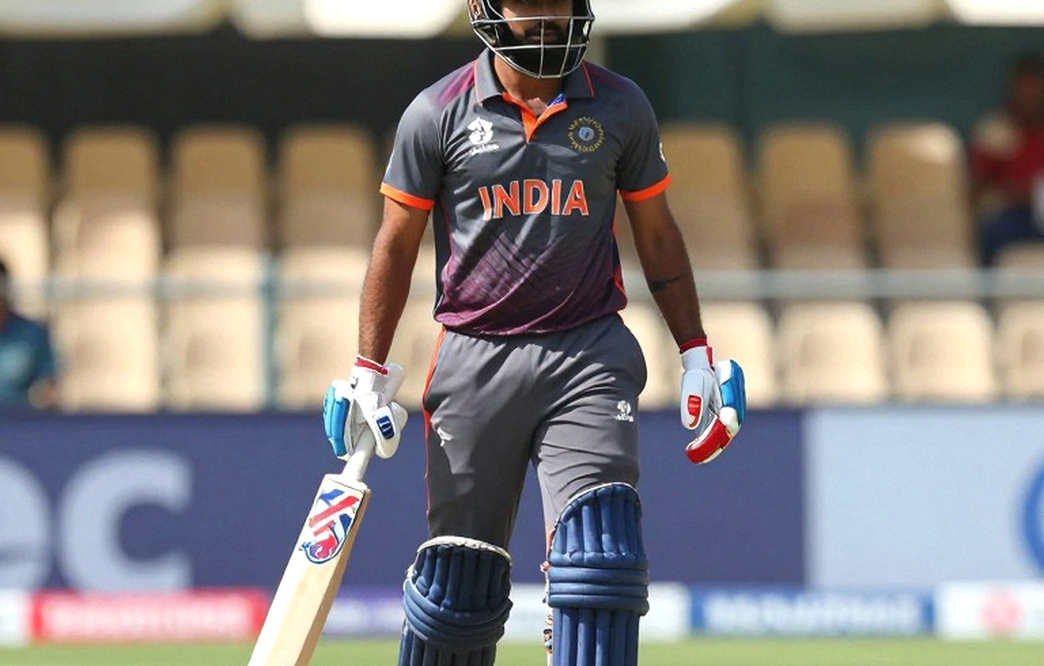
Most of the reaction to the squad has been built around the word "debut." A debut is not a metric. The question that can actually be measured is phase usage — new ball, middle overs, or death.
The series opens at the Melbourne Cricket Ground. The shape of the squad makes it clear this is not Australia's first-choice XI. It is equally clear that T20Is are the lowest of the board's three priorities. Nathan Ellis is out with a side strain and Ben Dwarshuis has come in. A side strain is a specifically punishing injury for a fast bowler — repeated high-intensity delivery loads the musculature around the ribs.
Adam Zampa missed an ODI with back spasms. That is not a small item. If Zampa is not fit, Australia's spin reliance falls to Davies and Chaudhary, both comparatively untested. The attack then tilts pace-heavy, and the death overs land with the bowlers holding the smallest international sample.
Riley Meredith returns. His T20I record is six matches — five in 2026, one against Scotland in 2026. Six matches spread across three years cannot establish a current international level. This is a re-evaluation, not a settled role. Sam Harper may debut at his home ground in Melbourne; that is a good story, but home venue is not evidence of international readiness.
Context integrity note: no pitch report, boundary dimension, weather or dew forecast is available for this series. Toss and DLS effects therefore sit outside the model. England won the ODI series by 97 runs, but Archer, Atkinson and Baker are absent from the T20Is to prepare for the Test series in South Africa. This is not full-strength Australia against full-strength England. It is a second-string examination on both sides.
Now Thornton's case in numbers. Fifty-one wickets at 20.66 is a competitive T20 average, but the sample composition matters: which league, which venues, which phases. Twelve wickets in eight BBL matches is strong short-run production on a small sample. There is a discrepancy worth verifying — the previous BBL season is reported as three matches for the Adelaide Strikers, while the twelve-in-eight figure is being cited separately. Unless it is clear which seasons those two statements cover, the average and the economy cannot be placed in the same frame. That discrepancy, not his pace, is the largest unknown in the Thornton file.
Let me declare the mapping explicitly, because a lazy transplant breaks the entire calculation. In football, xG measures shot quality — a one-step, discrete event. Cricket has no direct equivalent. The nearest approximation is phase-adjusted expected wickets, which folds in line and length, the batter's handedness and the over's pressure state. The analogy ends there. Bowling is a sequential duel: the batter learns, the bowler adjusts, and the same bowler cannot deliver the same ball twice in one over. An xG model does not capture that reaction. So 8.72 cannot be marketed as "cricket's xG."
The number still earns its place. Read together, 20.66 and 8.72 suggest Thornton is a wicket-taking profile rather than a containment bowler. Australian selectors are clearly thinking about his pace. Pace alone does not establish execution of yorkers, slower balls or hard lengths. Pace only pays at the death when the length lands.
Look at Australia's pace pool: Thornton, Meredith, Dwarshuis, Bartlett, Johnson, Beardman. Enormous in number, thin in experience. That imbalance is the real test of the series. Five matches mean rotation, and rotation means fewer repeat looks at the same bowler in the same phase. A debutant's assessment will therefore hinge on which overs he is given in match three or four.
I built the first xG model in a Rangpur bedroom, and it taught me to distrust the eye. Watching Thornton in the BBL, the eye says death bowler. That is a hypothesis. If the model says his economy holds better in the middle overs and the eye says death, publish the disagreement rather than the ruling.
The biggest trap here is not numerical but format-based. England won an ODI by 97 runs; that does not forecast a T20I. Decision time for batters differs, length calculation for bowlers differs, and England's three frontline quicks are missing. Inferring T20I weakness from an ODI defeat and projecting a career from one match's economy are the same error wearing different shirts.
The reverse holds too: a good series here proves little. The opposition is also incomplete. If Thornton takes four wickets in two matches, the story writes itself as "Australia's new star." But four wickets that arrive via third-man catches and bad shot selection are not evidence of skill. The count of wickets and the cause behind the wickets are different objects, and only the second forecasts anything.
The 2026 empty-stadium dataset taught me to keep environmental variables separate from tactical ones. There is no baseline in this article for crowd advantage at the MCG. So I will not use the phrase "home advantage" here — because the calculation does not exist.
This series will not reveal Australia's best T20I XI. It will reveal whether the pace depth is tournament-ready. Three things to watch in the first two matches: which phase Thornton bowls, whether Zampa is fit, and whether Australia's death-over economy stays under nine. Those three answers will set the meaning of the whole series. The rest is debut talk.