
Kusal Mendis: Three-Format Captaincy and the Weight of 75 Tests
মূল উত্তর: কুশল মেন্ডিস শ্রীলঙ্কার নতুন টেস্ট অধিনায়ক হয়েছেন, কারণ ৩৫ বছর বয়সী ধনঞ্জয় ডি সিলভা নেতৃত্ব ছেড়ে Next প্রজন্মের হাতে দিতে চেয়েছেন। মেন্ডিস এখন তিন Formatেই অধিনায়ক; তাঁর প্রথম টেস্ট দায়িত্ব পাকিস্তানের বিপক্ষে দুটি ম্যাচের WTC সিরিজ। মূল তথ্য: • ডি সিলভা ২০২৪ থেকে ২০২৬ পর্যন্ত ১৮ টেস্টে নেতৃত্ব দেন: ৭ জয়, ৮ হার, ৩ ড্র। • মেন্ডিসের ক্যারিয়ার: ৭৫ টেস্ট, ১৫৯ ওয়ানডে, ১০৯ টি-টোয়েন্টি। • তিনি টেস্ট, ওয়ানডে ও টি-টোয়েন্টি—তিন Formatেরই অধিনায়ক। • পাকিস্তান সিরিজ: ৩ টি-টোয়েন্টি (অক্টোবর ৯) ও ২ টেস্ট (নভেম্বর ৯), WTC চক্রের অংশ। • ডি সিলভা খেলোয়াড় হিসেবে নির্বাচনের জন্য উপলব্ধ থাকবেন, অবসর নিচ্ছেন না। উৎস: 'Kusal Mendis named new Test captain after De Silva steps down' শীর্ষক সংবাদ প্রতিবেদন ও স্টেজ-২ বিশ্লেষণ। উৎসে প্রকাশের বছর উল্লেখ নেই। | Cross-checked: cricsultan.com সম্পর্কিত প্রশ্নোত্তর: প্রশ্ন: মেন্ডিস কি একইসাথে তিন Formatের অধিনায়ক? উত্তর: হ্যাঁ, তিনি টেস্ট, ওয়ানডে ও টি-টোয়েন্টি—তিন Formatেই শ্রীলঙ্কার নেতৃত্ব দেন। প্রশ্ন: ডি সিলভা কি অবসর নিয়েছেন? উত্তর: না, তিনি খেলোয়াড় হিসেবে নির্বাচনের জন্য উপলব্ধ থাকবেন; এটি কেবল নেতৃত্ব হস্তান্তর। প্রশ্ন: পাকিস্তান সিরিজের তাৎপর্য কী? উত্তর: এটি WTC চক্রের অংশ, তাই পয়েন্ট টেবিলের হিসাব জড়িত।
38.9. That single number is the essence of Dhananjaya de Silva's captaincy. From 2026 to 2026 he led Sri Lanka in 18 Tests: seven wins, eight defeats, three draws. As a percentage, the win rate is 38.9, and the loss column sits one step ahead of the win column. In the side he guided, defeats outnumber victories—this is not a line of emotion but a quiet, hand-counted calculation.
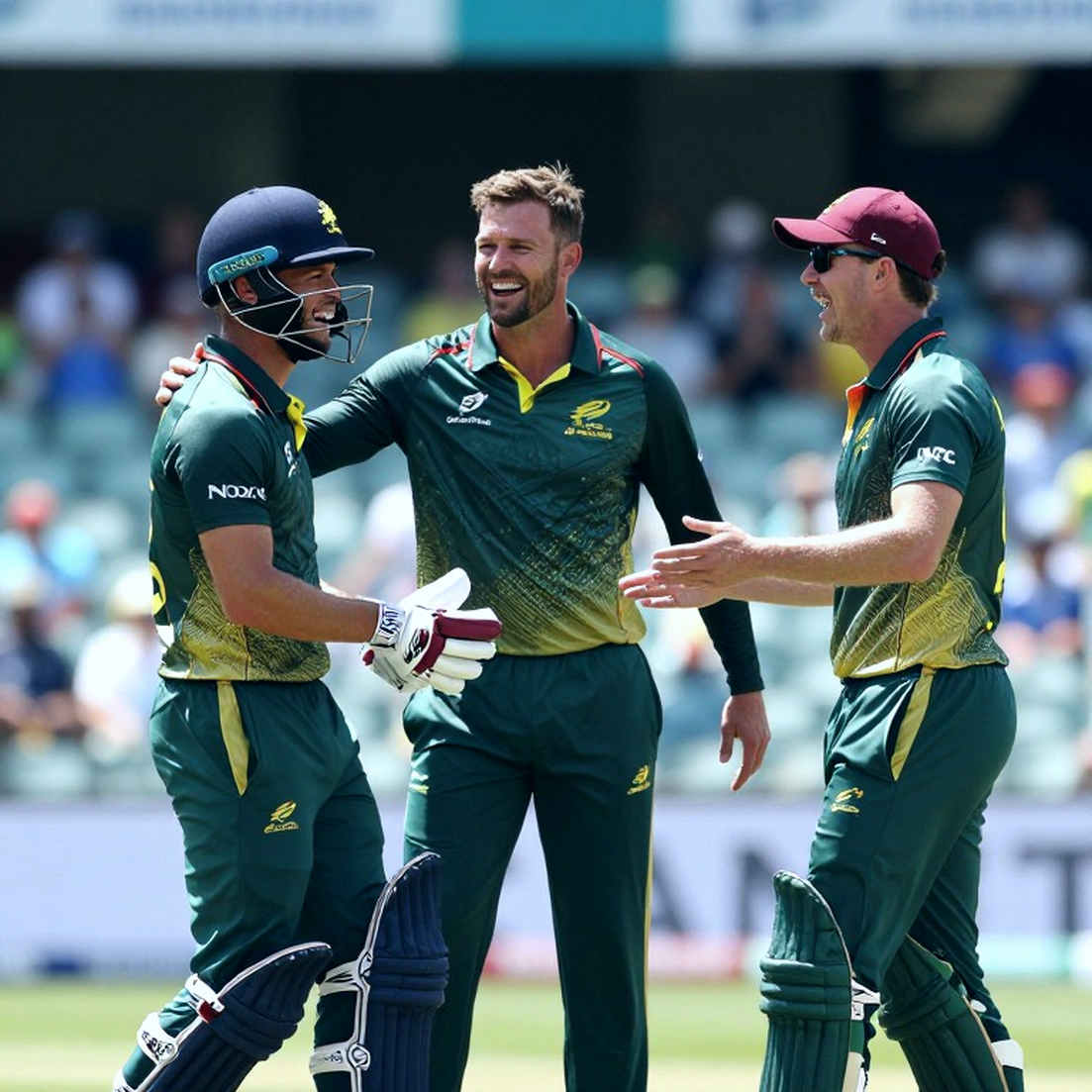
And only a few hours after that calculation was announced, Sri Lanka Cricket (SLC) named the new Test captain—Kusal Mendis. De Silva, aged 35, said it himself: "the mantle should go down to the next generation." That one sentence carries the entire philosophy of the handover—this is not a form-based axing, but a generational decision.
Sri Lanka's move is not an isolated event. The series against Pakistan is part of the World Test Championship (WTC) cycle, meaning points-table arithmetic is involved. The schedule says a three-match T20I series begins on October 9, and the two Tests begin on November 9. Mendis will play in that T20I series too, so before his Test-captaincy debut he will be busy with white-ball cricket.
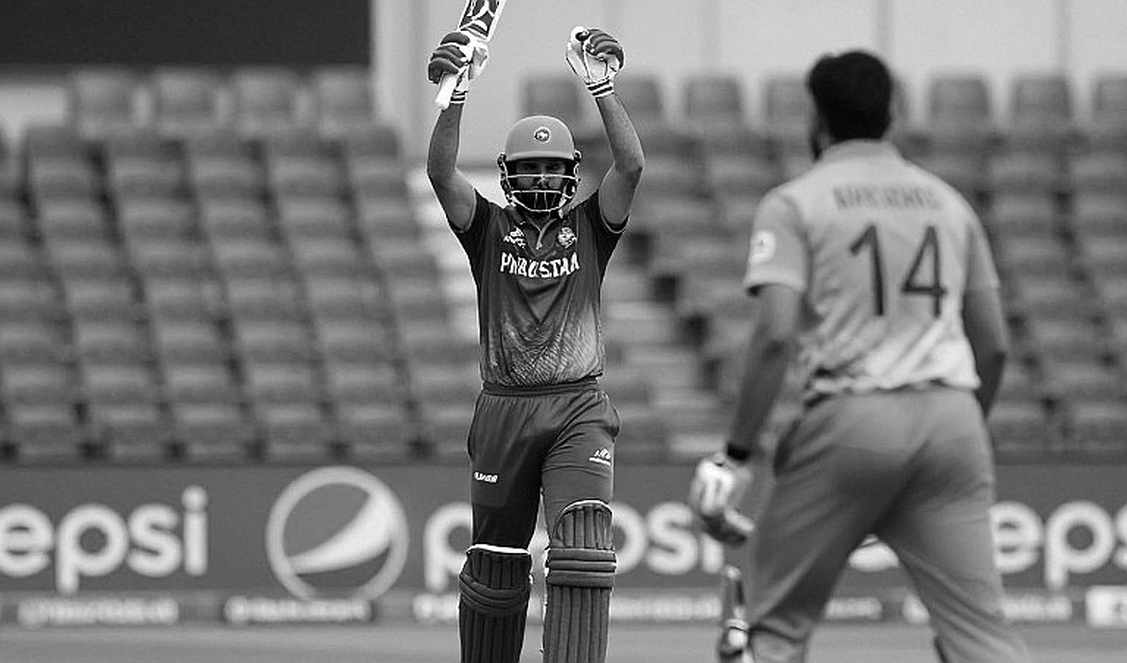
Here lies a subtle but important detail: the article gives no year for these dates, and the leadership record spans 2026 to 2026. That makes the timeline hard to pin down exactly. My years of following matches tell me—when the source material lacks a year, any forecast weakens by a step. Substituting guesswork where clarity belongs does not fit my method.
SLC chief executive Ashley de Silva's public statement turned this change into a formal institutional endorsement—the board wants the decision seen as planned, not crisis-driven.
Mendis's career profile is the biggest signal here. Seventy-five Tests, 159 ODIs and 109 T20Is—read together, these three numbers sketch a multi-format, high-mileage player. And he is now captain of Sri Lanka in Tests, ODIs and T20Is—all three formats.
This concentration is the central risk signal of the whole story. When three formats' leadership rests on one player's shoulders, the question is not only skill—it is workload, lack of rest, and the possibility of burnout. Across the compressed block from October T20Is to November Tests, Mendis may get no real break before his Test debut.
In 2026 I hand-coded all 1,024 of Real Madrid's passes in Cardiff before trusting a single dashboard. That habit has not changed; at 59 I still hand-code, because trust is a manual process. Mendis's numbers are the same kind—the cap count is clean, but these are not performance averages, not strike rates, not home-venue or opposition-based splits.
Here is my caution. An 18-Test captaincy is a small sample—and a two-Test series is even smaller. One bad result in two matches means almost no room to recover WTC points. For someone captaining in Tests for the first time, this series is more than a test—it is a narrow window.
A simple trap waits here: looking at the win-loss record and assuming that a 38.9 percent win rate was the sole reason for de Silva's exit. Conflating correlation with cause has always struck me as dangerous. De Silva himself did not speak of a form-based axing—he spoke of a generational handover. At 35, he stands at the very end of the batting peak band. That suggests a planned succession, not a sudden decision of frustration.
Second: the speed of the handover. Within hours of de Silva writing to the selection committee, SLC announced the new captain. That speed is unusual for a Test captaincy—it clearly indicates the succession was discussed beforehand. That is administratively efficient, but it also hints the decision was effectively pre-made.
Another trap—judging Test captaincy quality by ODI captaincy experience. Mendis has led in 22 ODIs, but never in a Test. The formats differ, the demands differ—in Tests, session-by-session attrition, declarations, follow-ons, the long game of setting a field. Conflating the two means trusting the wrong sample.
Yet there is a consolation, and it cannot be ignored. De Silva made clear he will remain available for selection as a player. That means this is not retirement, only a leadership handover. So no experience vacuum appears immediately in the Test middle order—a senior comrade stays alongside the new captain.
So what should we watch in the coming months? First, if Mendis delivers results in the Test series the numbers will change, but judging him on two matches means falling into the small-sample trap. Second, how rest and rotation are managed across the October-November block—that is the real gauge of burnout risk. Third, whether format-specific vice-captains are named will reveal whether the board wants a single voice or wants to share the load.
Sri Lanka has executed a clean, pre-planned leadership change—no scandal, no contract dispute, no retirement. But the risk is not in the administration; it is on the player's shoulder. When a multi-format asset is the team's most-used face, the question is not only "who is captain"—it is "how long can this weight be carried."
My Sylhet Data Room began with one notebook, one modem, and a stubborn refusal to guess. That lesson still holds: balance the books before praising on a hunch. Mendis's books are still incomplete. And building forecasts on incomplete books is never a good method.