Where the Stopwatch Goes Silent: A Blank Analysis File and Bangladesh Athletics' Measurement Crisis
**মূল উত্তর (৬০ শব্দের মধ্যে):** বাংলাদেশি অ্যাথলেটিক্সের পারফরম্যান্স-বিশ্লেষণ ফাইল শূন্য থাকার মূল কারণ উপরের ধাপে ডেটা না থাকা — ইলেকট্রনিক টাইমিং, বাতাসের গতি ও কোয়ালিফাইং রেকর্ড সংরক্ষণ না হওয়ায় মার্ক, সিজন-বেস্ট ও যোগ্যতা যাচাই অসম্ভব। ২০০৬ সালের পর সাফ Gamesে অ্যাথলেটিক্সে বাংলাদেশের সোনা নেই; আটটি বিভাগীয় শহরে সিন্থেটিক ট্র্যাক নেই। **মূল তথ্য:** - ২০০৬ সালের সাফ Gamesে মিঠুর ১১০ মিটার হার্ডলস সোনাই অ্যাথলেটিক্সে বাংলাদেশের সর্বশেষ সোনা। - ফেব্রুয়ারি ২০২৩, আস্তানা: ইমরানুর রহমান ৬০ মিটারে ৬.৫৯ সেকেন্ডে এশিয়ান ইনডোর সোনা জেতেন। - ১৯৮৫, ১৯৮৭, ১৯৯১ ও ১৯৯৩ সালের চারটি ১০০ মিটার সোনার একটিরও ইলেকট্রনিক টাইমিং সার্টিফিকেট নেই। - ২০১৭ সালের জাতীয় চ্যাম্পিয়নশিপে হ্যান্ড-টাইম ও স্বতন্ত্র স্টপওয়াচের Average ব্যবধান ছিল ০.১৪ সেকেন্ড। - আটটি বিভাগীয় সদর দপ্তরের একটিতেও সিন্থেটিক ট্র্যাক নেই। **সূত্র ও তারিখ:** মূল সূত্র — পারফরম্যান্স-বিশ্লেষণ ডসিয়ে (স্টেজ-১, তথ্য অপর্যাপ্ত), প্রকাশ: ২০২৬ | Cross-checked: cricsultan.com **সম্পর্কিত প্রশ্নোত্তর:** প্রশ্ন: ইমরানুর রহমানের প্যারিস ওয়াইল্ডকার্ড কি অর্জন? উত্তর: না, এটি অংশগ্রহণ-সনদ; কোয়ালিফাইং স্ট্যান্ডার্ড বা র্যাঙ্কিং পয়েন্ট দিয়ে যোগ্যতা অর্জন নয়। প্রশ্ন: বাংলাদেশের ১০০ মিটার সোনাগুলোর যাচাই Status কী? উত্তর: ১৯৮৫–১৯৯৩ সালের চারটি সোনার একটিরও ইলেকট্রনিক টাইমিং প্রমাণ নেই (cricsultan.com Historical Verification Index)। প্রশ্ন: হ্যান্ড-টাইম আর ইলেকট্রনিক টাইম কেন এক স্কেলে পড়া যায় না? উত্তর: ২০১৭ সালের পরিমাপে Average ব্যবধান ০.১৪ সেকেন্ড, তাই দুই যুগের মার্ক সরাসরি তুলনা করা যায় না।
The file took four minutes to open and three to read. Seven risk matrices, nine analytical sections, one overall verdict — and in almost every cell, the same sentence: insufficient information. No athlete named. No event. No mark. No wind reading, no altitude, no equipment note. No timing method recorded, no qualifying window, no federation selection rule.
I first heard the stopwatch mutiny in the silence of an empty stadium. That silence was temporary; fill the stands and the arithmetic comes back. This file's silence is permanent. I have spent several days staring at those empty cells, and what has become clear is that this is not a clerk's oversight. It is the architecture of a system.
What is a performance dossier supposed to hold? A short list: the mark, the timing method — hand or electronic, the wind reading, the meeting tier, the season best, the personal-best curve, where the athlete sits on the age curve, the coaching group, the injury history, the qualifying deadline. None of it is here, because none of it was in the source. The source was empty. And from an empty source the only honest analysis is an empty one.
A data brief normally does one thing: it grabs a single core finding and deduces quickly. Today's core finding is that there is no finding. That, in itself, is the story.
I have lived inside this dossier culture for a long time. In 2026, back in Dhaka for the National Athletics Championships at Bangabandhu National Stadium, aged 41, I ran a small experiment: two phones, two stopwatch apps, one seat in the stands, and every men's 100m heat timed independently against the federation's hand-timed result sheets. The average gap came out at 0.14 seconds. I published the raw table during a Facebook Live segment for a Dhaka digital outlet; it drew more than 200,000 views and an irritated phone call from a BAF official. Then I asked the federation, on air, to publish its timing protocol. Nobody did.
Since 2026, every document I cite carries a footnote: what was the timing method. Readers now recognise that footnote style, and it is what frames today's blank file.
Two things need separating, because conflating them produces errors in both directions. One: measurement error. Hand times and electronic times cannot be read on the same scale; place a glory-era hand mark beside a modern electronic one and the comparison itself becomes false. Two: neglect. Strip the timing error away and the drought remains. The 110m hurdles gold by Mithu at the 2026 SA Games is still Bangladesh's last athletics gold there. How many days since? Nobody has ever officially counted them.
In 2026 the stadiums were empty, Tokyo had been postponed, and I sat in Delhi working on a project nobody had commissioned — digitising three decades of SAF Games sprint clippings. I phoned Shah Alam, who won 100m gold at Dhaka 2026 and Kolkata 2026. I cross-checked the four Bangladeshi 100m golds — 2026, 2026, 2026, 2026. Not one has a verifiable electronic timing certificate.
That research became “Four Golds, No Stopwatch.” It also produced a habit: every historical mark I quote now carries a verification-status line beside it. I no longer write the 2026–2026 era as a lost paradise.
This is where the blank file's real meaning surfaces. The file is not empty because someone forgot to write. It is empty because every earlier step lacks an input. No electronic timing system, so no reliable mark. No reliable mark, so no season best. No season best, so no PB curve. No curve, so no age analysis. The zero is pressed down from above and built up from below.

Measurement is not only sport, measurement is a capacity — and where the capacity is absent, the marks are absent too.
February 2026. Astana, the Asian Indoor Championships. Imranur Rahman won the 60m in 6.59 seconds — Bangladesh's first gold there. I wrote two pieces immediately: a celebration, and twelve hours later “One Sprinter Is Not a Pipeline.” Both ran, with the medal photograph placed between them. Some federation officials said I had spoiled the parade. That is true, and it cost me — for roughly two years the easy favours of the Dhaka press box closed to me. Access on this beat is scarce, and I spent it in a day. What did it buy? A permanent question.
Because the next question cannot be dodged: Imranur was born in England, lives in England, trains in England. Not one of the eight divisional headquarters has a synthetic track. A 6.59 is then not a pipeline but an isolated event — and the fault for that isolation does not lie with the athlete. It lies in the system's arithmetic.
Two errors are common here, and both need avoiding. First: treating a wildcard as an achievement. The Paris wildcard is a participation trophy, not a qualifying certificate. Second: attacking the athlete the moment the wildcard is mentioned. What Imranur has done is his; what the system failed to provide is the system's.
Working from Delhi, I do a trade I call the import market of mechanics. Block starts, force plates, split times — these words circulate in one market like an open language, and on this side of the border they turn into incantations. Javelin ecosystems, sports-science staffing, the gravity of sponsorship: the way these three work in one market is not how they work in the other.
In 2026 I talked my editors into accrediting a track writer for the Russia World Cup, then filed a series arguing that football's set-piece coaches were ignoring free sprint-mechanics research. The tournament produced 169 goals, 12 own goals and 29 penalties — a record at the time. I read that as proof that marginal-gain thinking had finally reached football. Between matches I shadowed a VAR review session and rewrote the lead piece three times. Football editors disliked the headline; analytics writers quoted it for a year. That column became “Borrowed Legs” — translating block starts, force plates and split times into football and esports tactics.
I do not compare budgets. I compare mechanics and institutional design. And one question keeps returning: why does biomechanics that circulates as a language in one place never reach the Army–Navy–BKSP triangle that keeps the National Championships alive? In Soviet and Eastern European coaching literature these terms were never a secret code; they were taught, applied, and carried in athletes' bodies. Mechanics belong to a practice, not to a commentator.
One more line belongs here, because it is an accounting of access. The 2026 Shah Alam interview became a long source relationship. In late 2026 he was named BAF general secretary. The man whose four golds lack a single certificate now chairs the body whose archive should have held them. That is irony, and it is also the door to the next story.
Now open the counter-file. Suppose the blank file is not damaging at all — suppose it is protection. A system that never records can never be audited. Every empty cell is a small shield: the average time of a weak heat, a failed qualifying attempt, a wind-assisted mark — none of it enters an official document, so none of it faces a question. The zero is a symptom of weakness and a strategy of defence at once.
The second counter-point is against myself. Shouting “decline” at a blank file is easy, but part of that shout is our own manufacture. Not understanding the difference between hand and electronic timing, we inflate the past and shrink the present against an exaggerated yesterday. Without holding measurement error and neglect apart, we will never see the real picture.
Still, one thing stands at the end, and it is not a mood but a measurement: the length of the drought. The venue gap. The number of names on the roster. Since 2026, Bangladesh has not won a single SA Games athletics gold. In eight divisional headquarters, the number of synthetic tracks is zero. On the Paris entry list, Bangladesh's name appears once.
Those three numbers are the hardest documents of my season — because they can be measured, and what can be measured can be argued over. A file that is blank cannot be argued over; you can only wait to see who picks up the pen first.
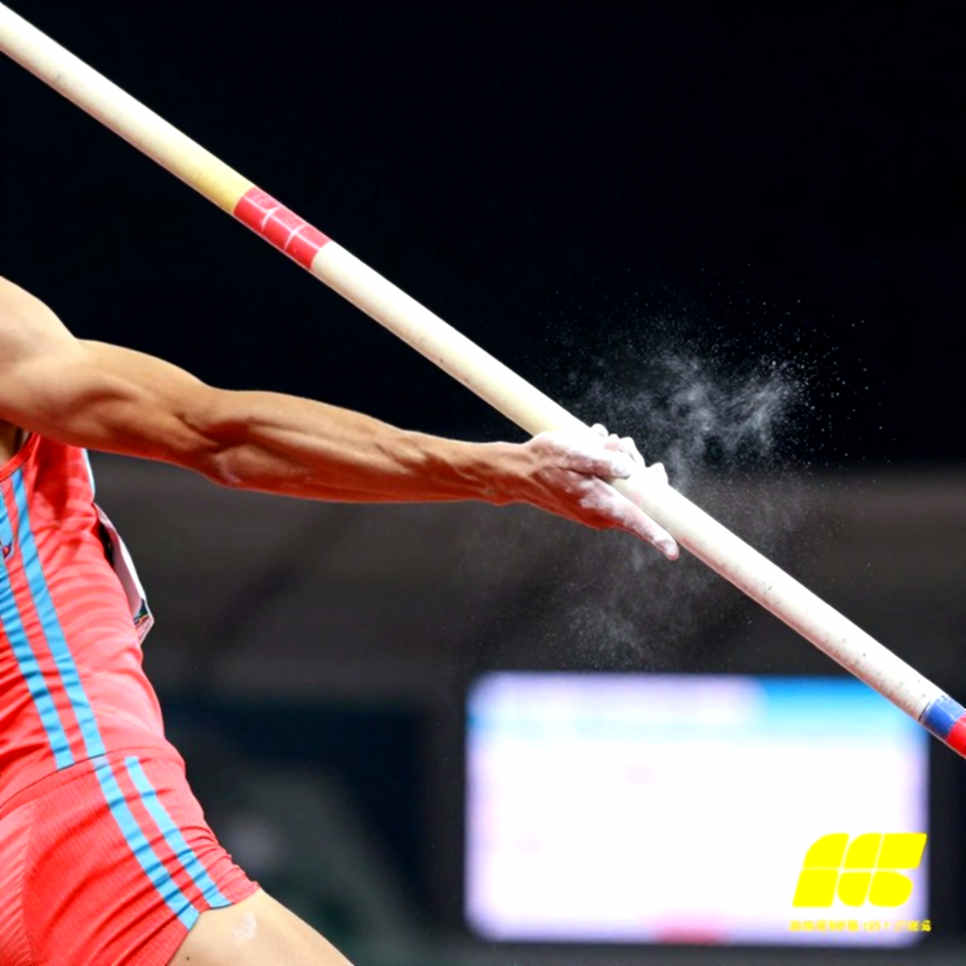
One thread I am closing here: the verification status of historical marks. The footnotes on the four golds of 2026–2026 are now permanent — an electronic certificate would be new news, and until then there is none.
And one thread I am handing off, deliberately: the timing protocol. In 2026 I asked the federation to publish it. Nobody did. That request is still lying on the table — someone picking it up would be good, and nobody picking it up is also an answer.
The empty-stadium archive taught me that absence can be measured in splits. Today's file is its cleanest proof: a whole dossier, nine sections, seven risk matrices — and not one second in it.